Schwalm Costume – The Little Caps

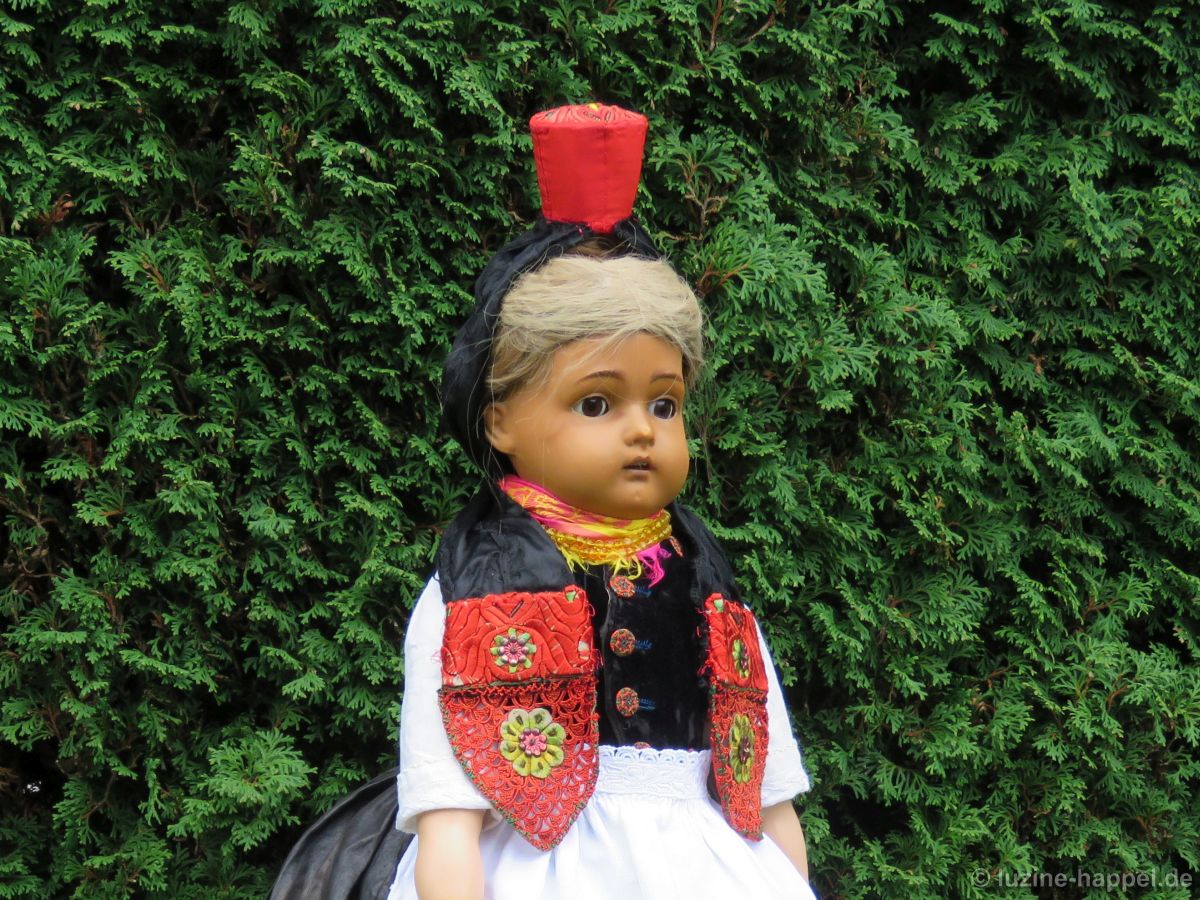
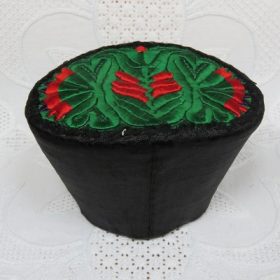
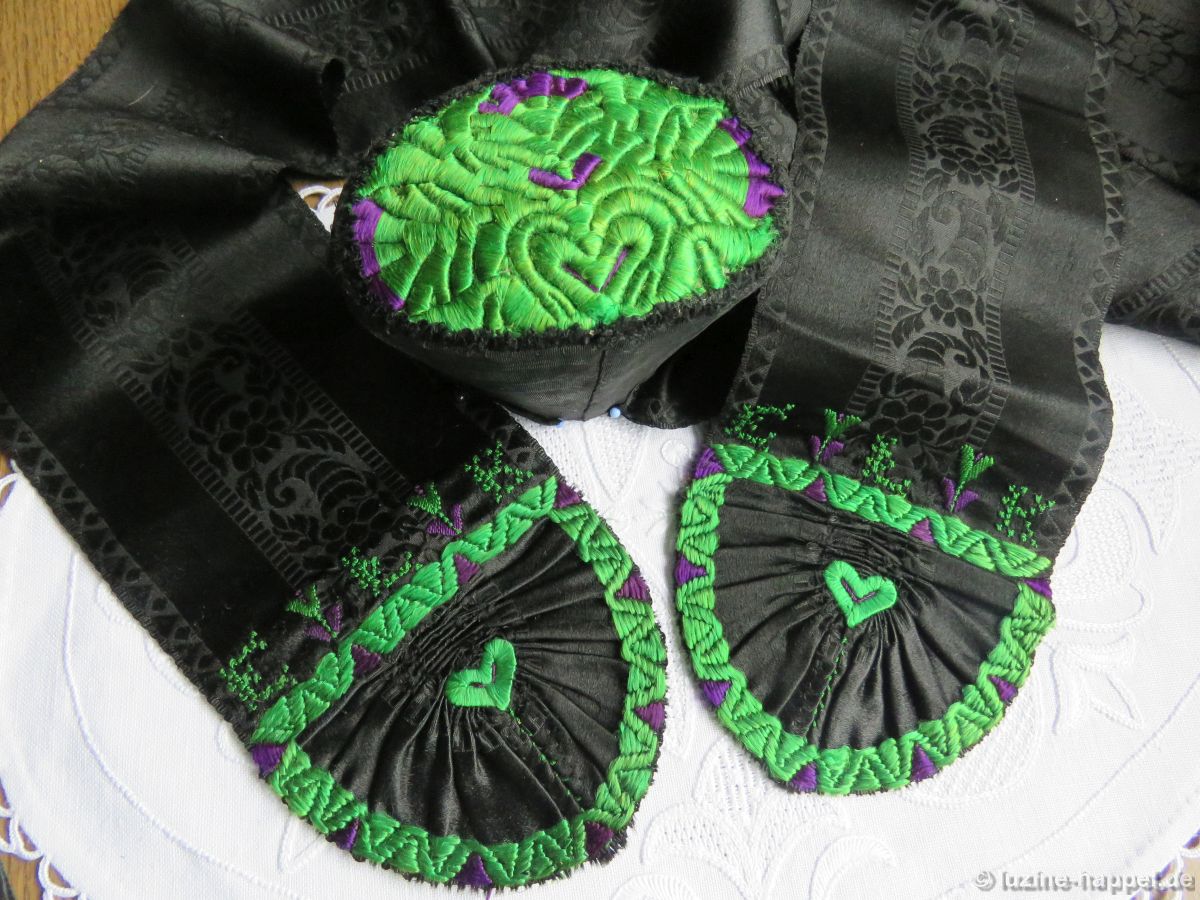
Schwalm women wore little caps to match their festive costume. The little caps were placed over the hair knots.
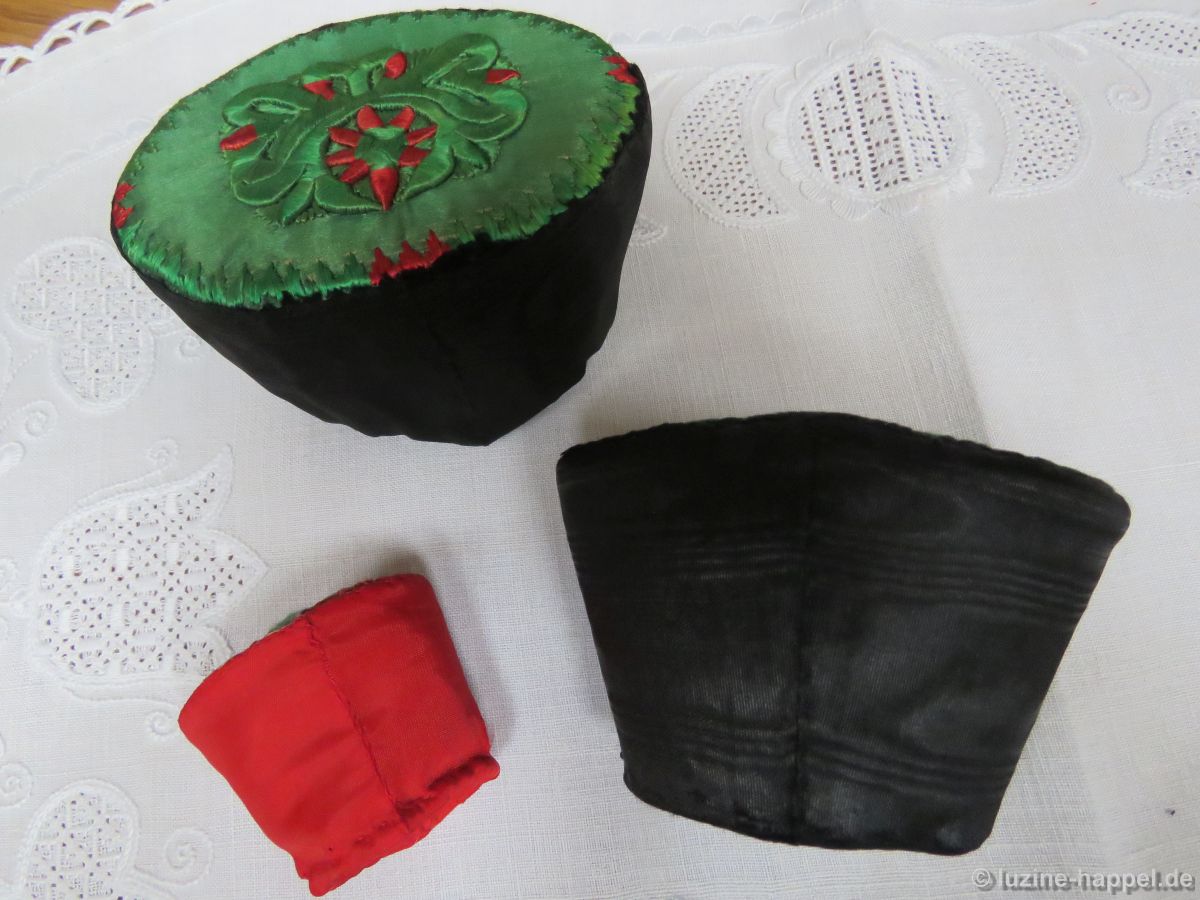
The little caps had different sizes depending on the wearer: child, adult, or woman with an especially magnificent head of hair.
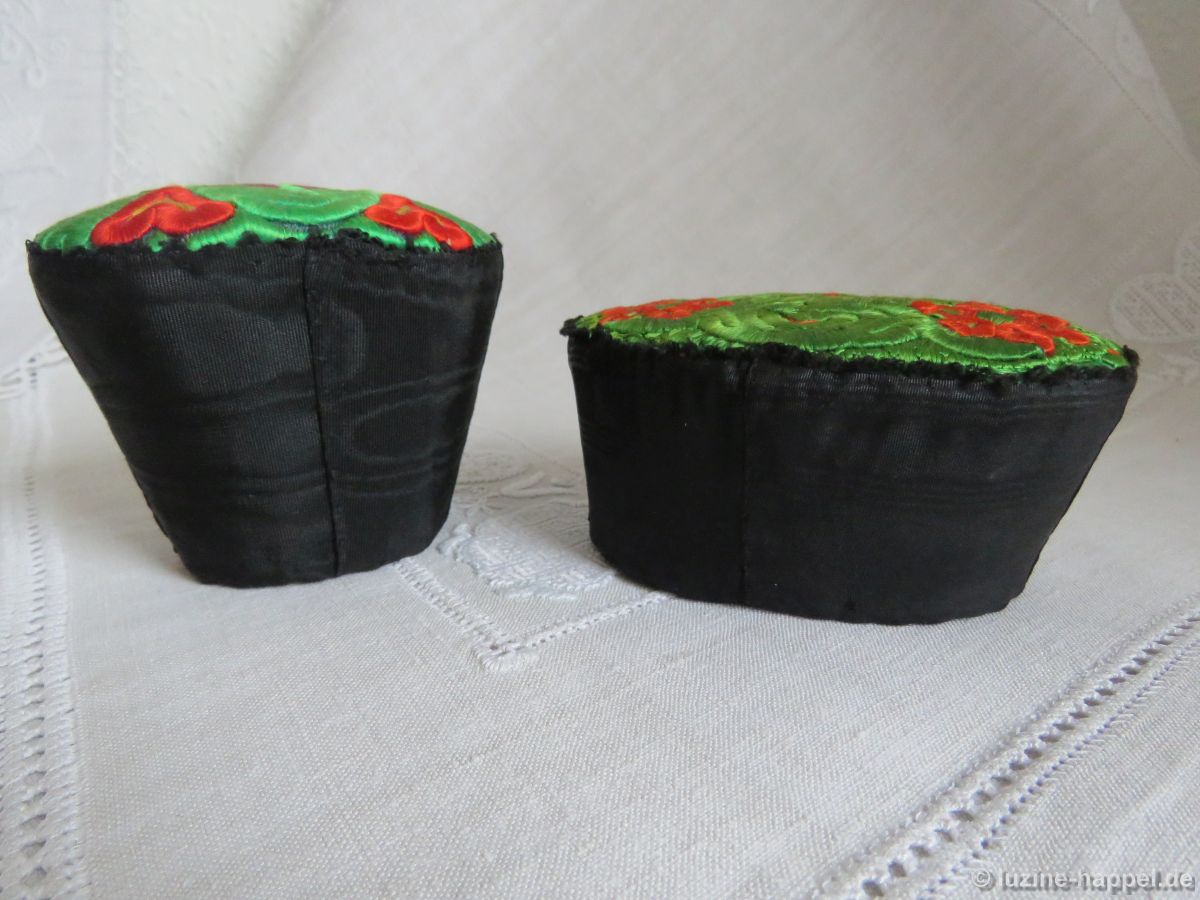
The little caps were primarily flat and wide; later they became more and more tall with the sides tapered down to a smaller opening.

The little caps had walls and lids – the so-called cap bottoms. The walls were covered with silk or moiré. They were black. Only unmarried girls wore caps with red walls. (One source propounds that these red caps are the origin of the fairy tale Little Red Riding Hood)
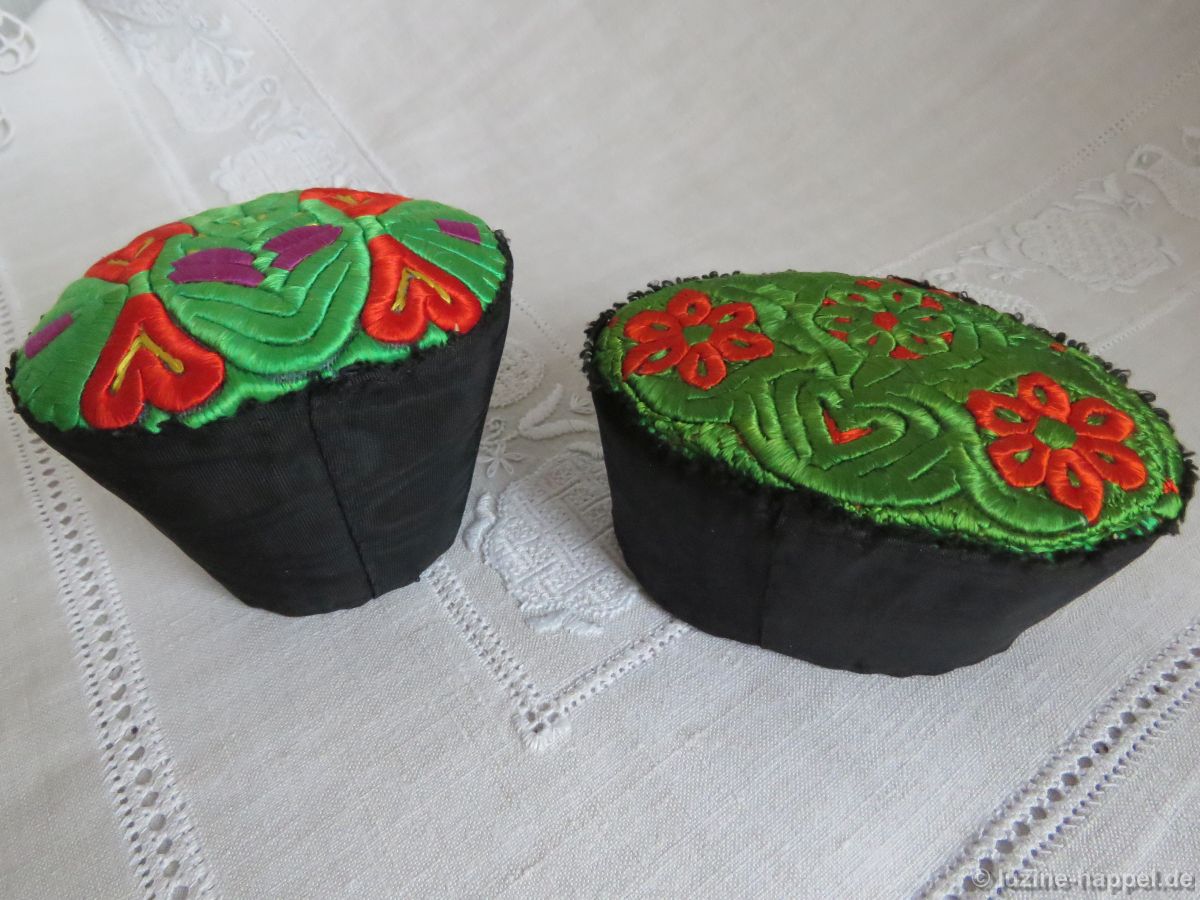
The bottoms of the caps were elaborately and usually colourfully embroidered. The colours always matched the colour of the costume – red, green or blue (purple).

Many artistic designs came from the template maker. Perfectly crafted templates were primarily covered with colourful embroidery using fine woolen yarn; silk threads were used later.
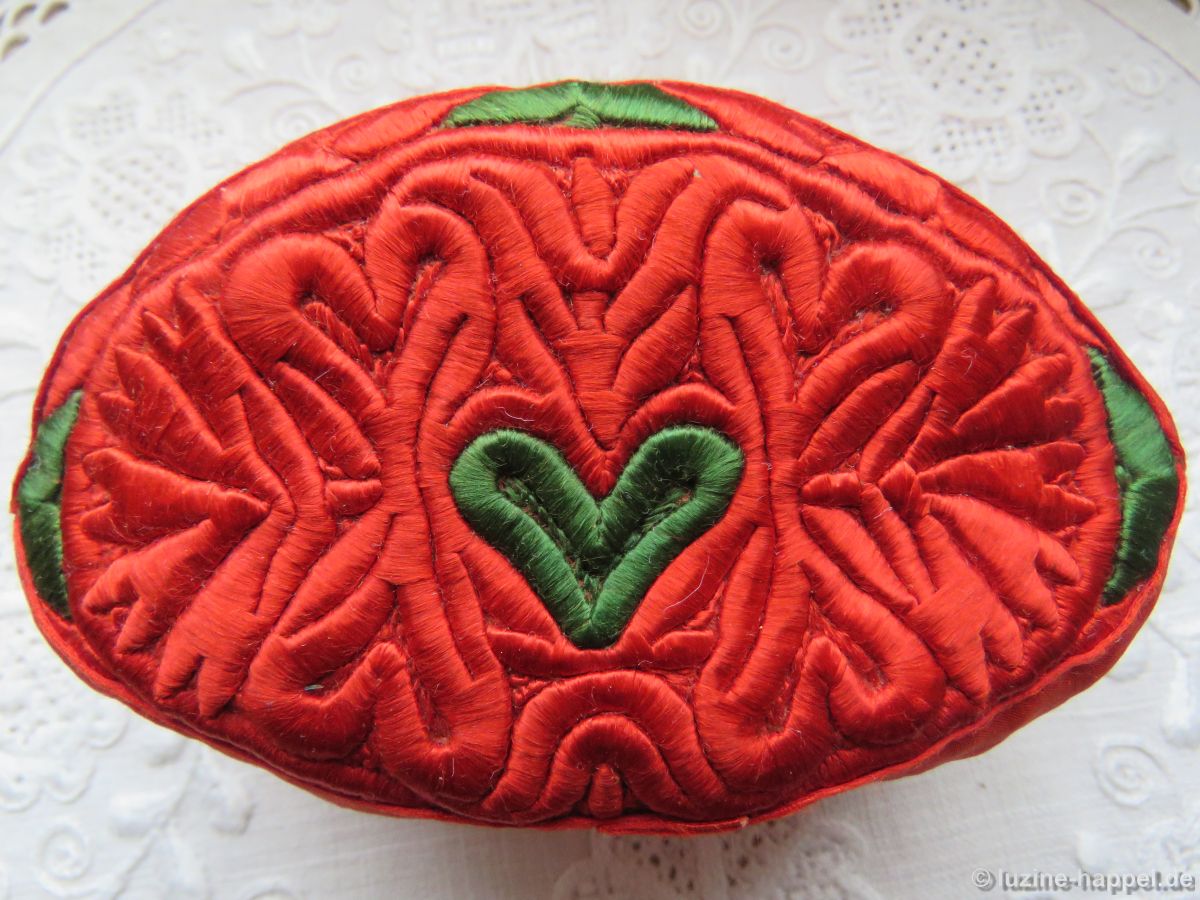
Much later, gold and silver bullion and sequins were added.
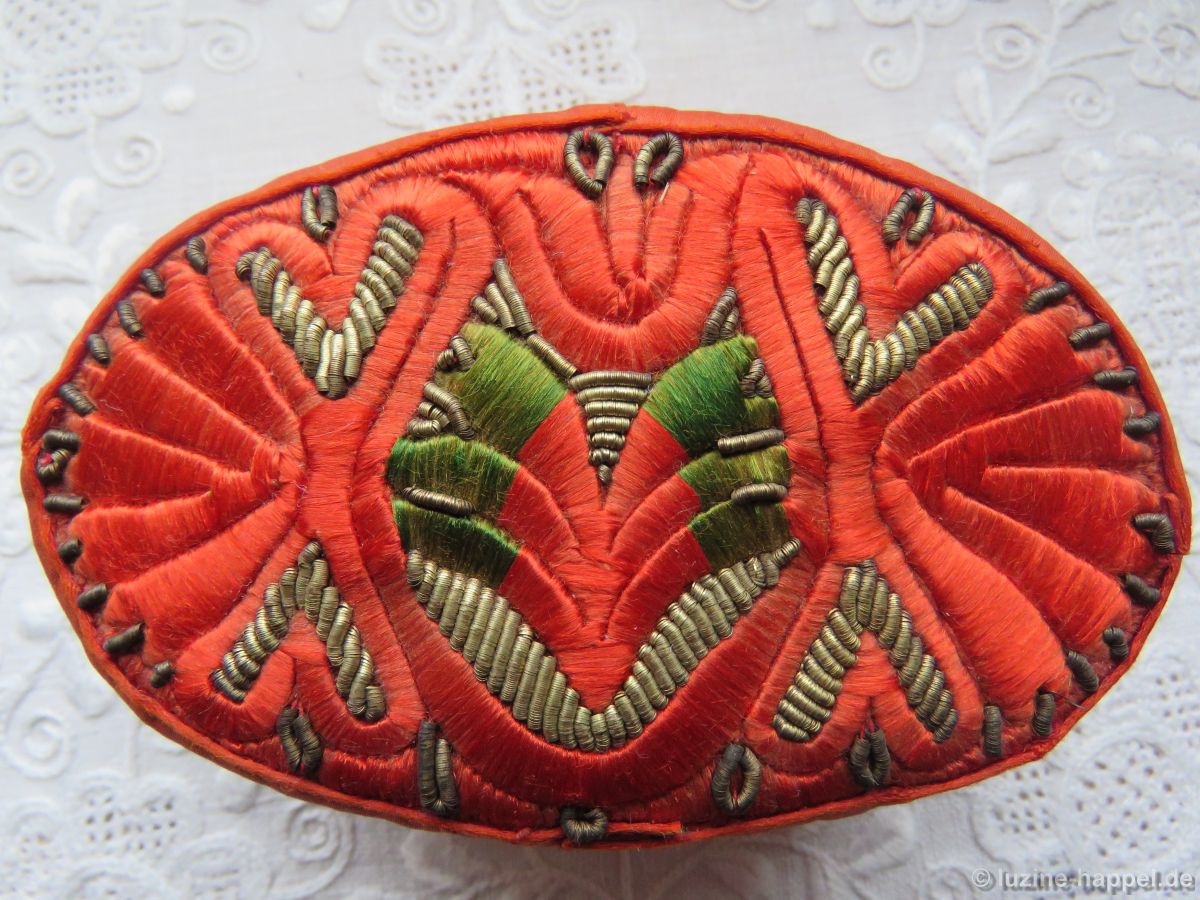
The older, somewhat wider caps were usually additionally decorated at the edges with narrow single templates, which were also finely embroidered.
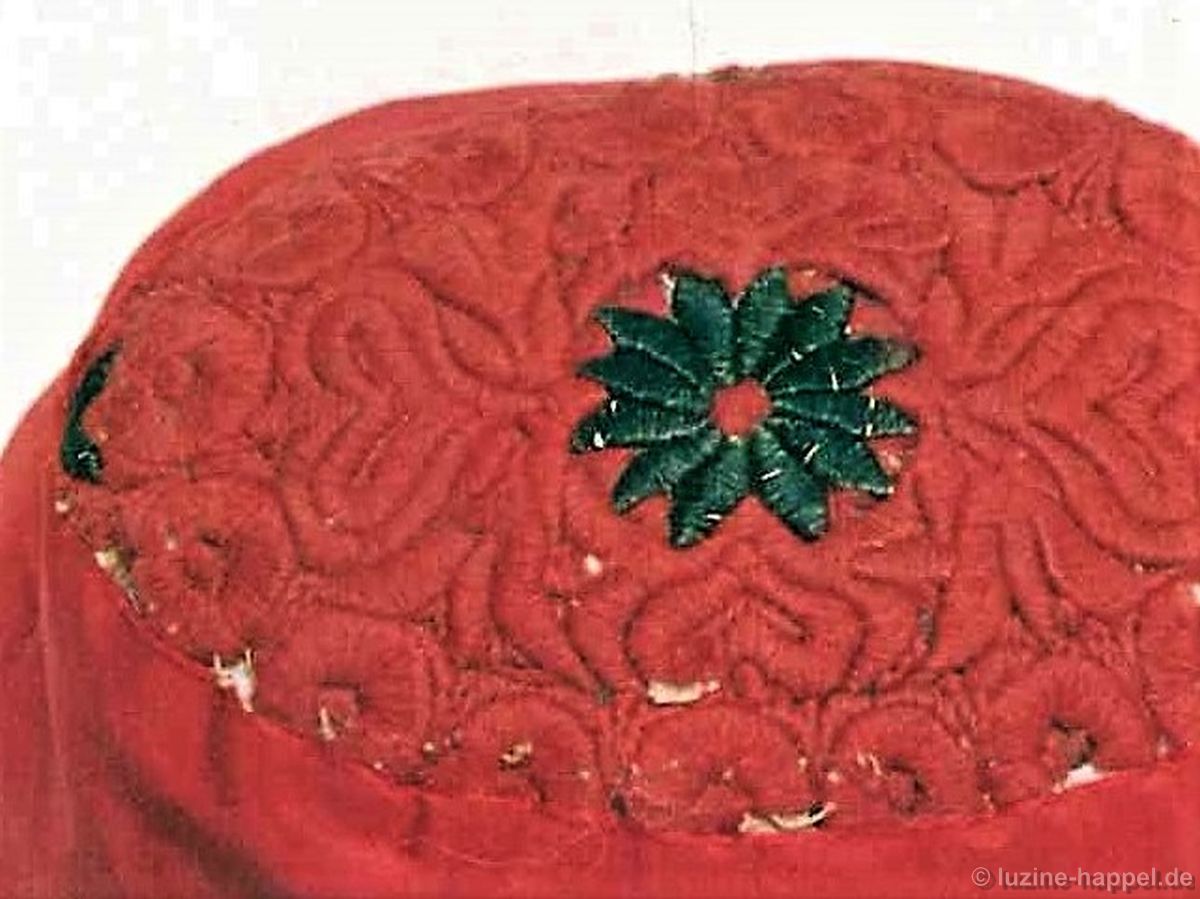
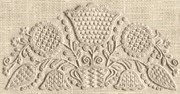
Drawing on these rich design arrangements as inspiration, I asked the designer Christa Waldmann to draw outlines for whitework. Look forward to seeing the beautiful results next week.
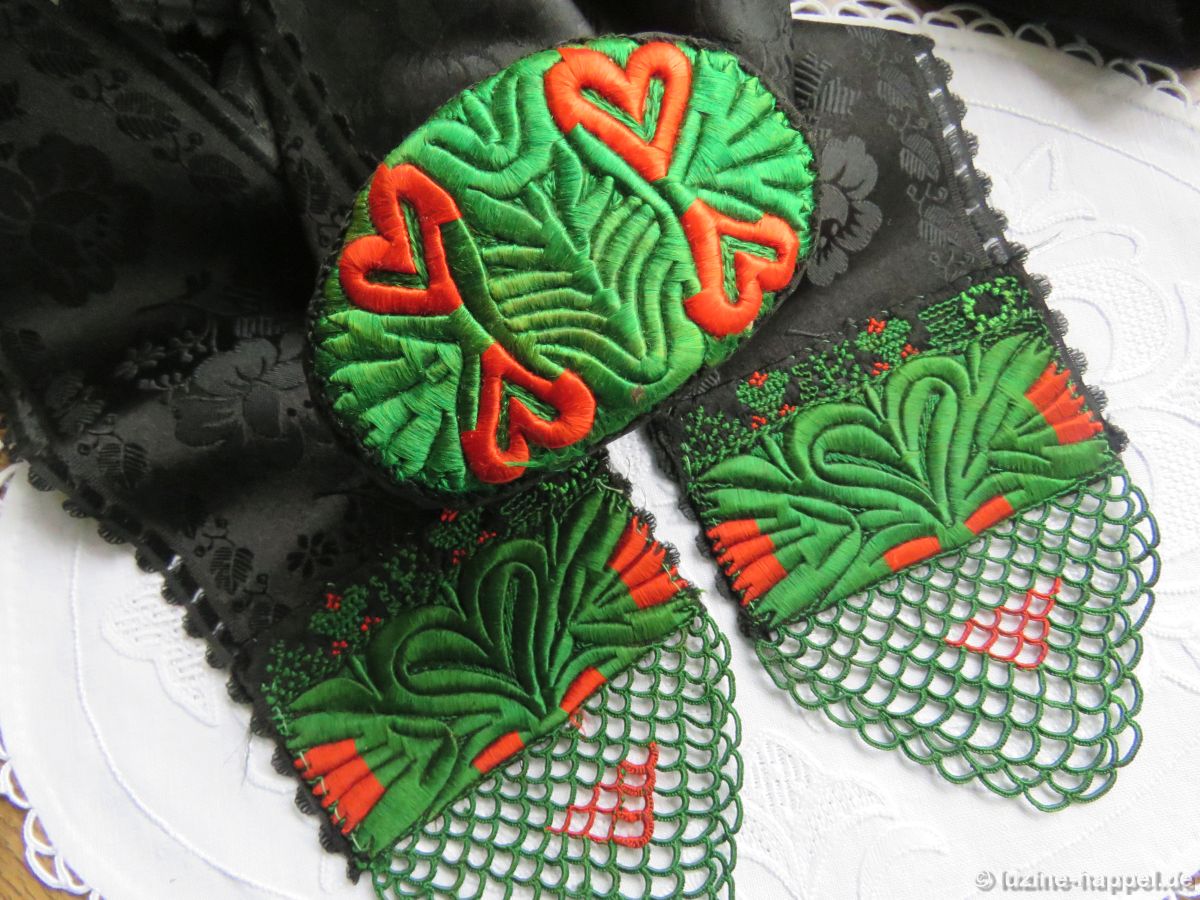
Each cap had matching (in colour) cap bands, the Kappenschnüre.
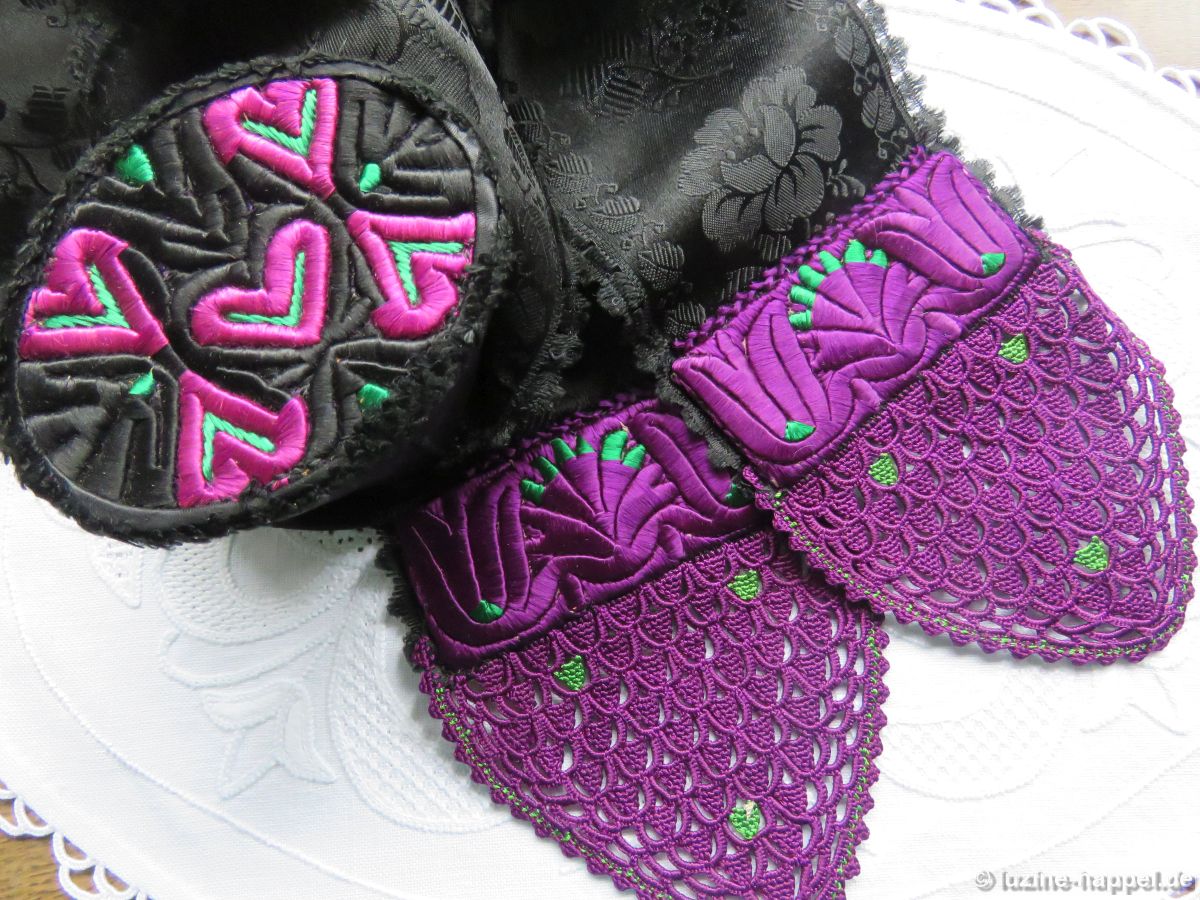
The ends of these cap bands were made very differently – this is a subject of a future article.
Schwalm Women’s Hairstyle – The “Schnatz”

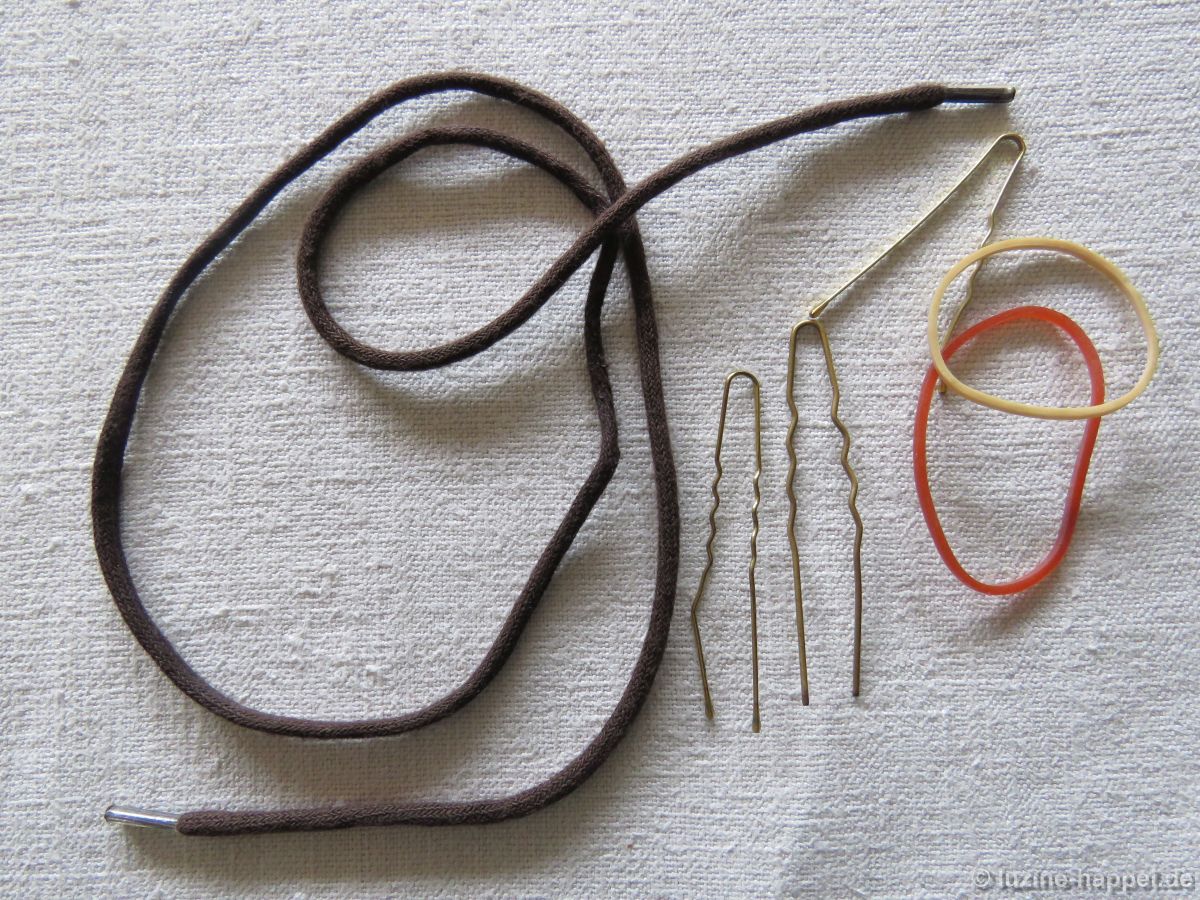
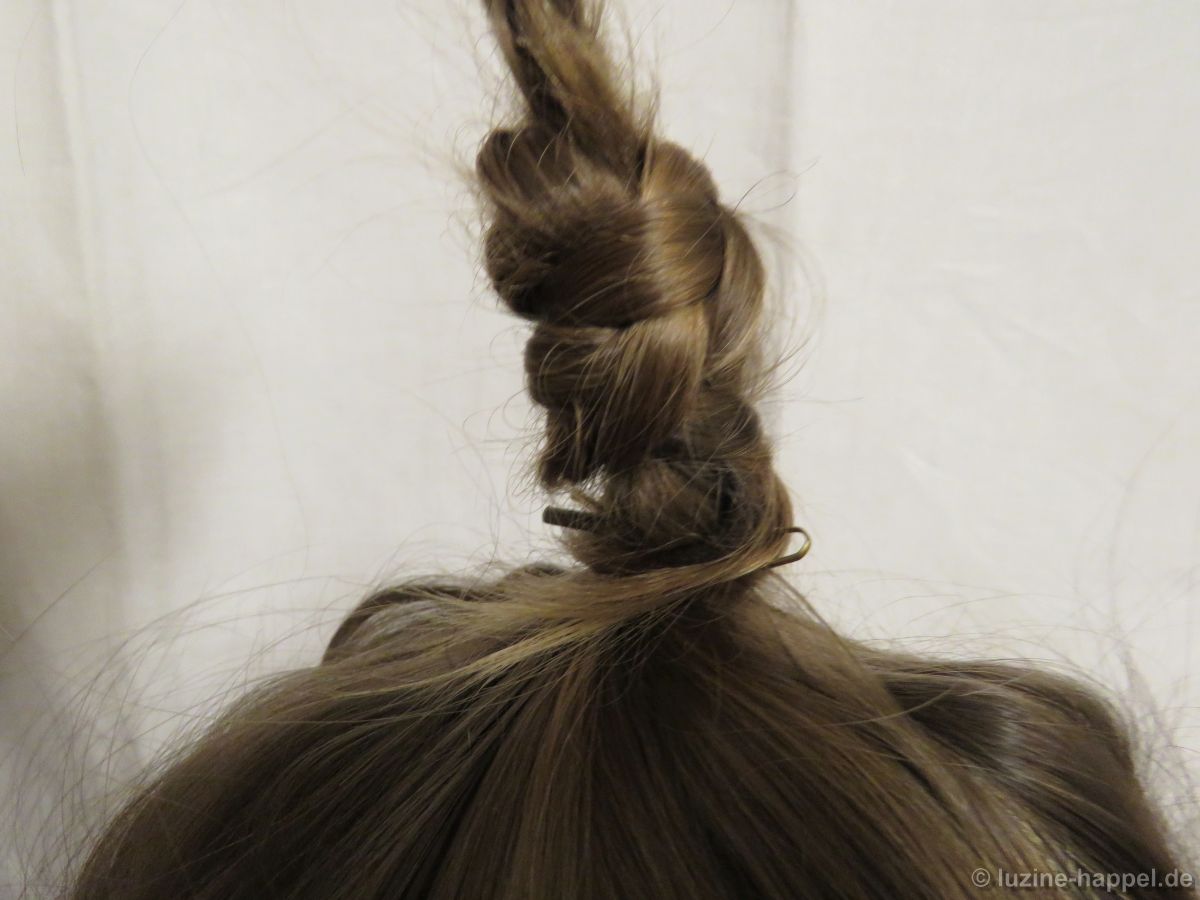
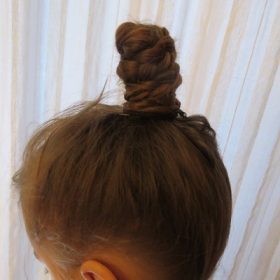
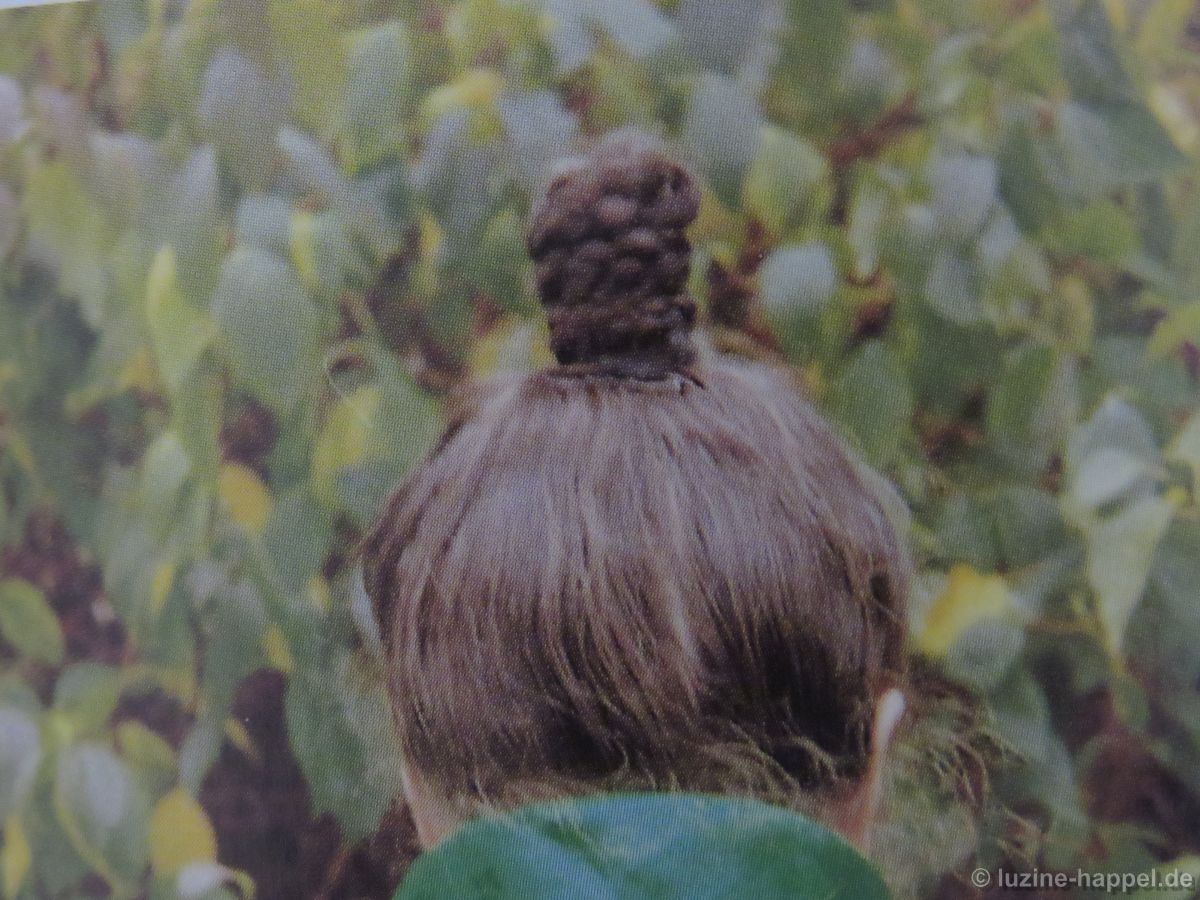
Schwalm girls and women wore their hair long without a fringe (bangs). The hair was styled into a knot, which in the Schwalm is known as Schnatz. To create such a hairstyle, women needed certain accoutrements: a long, thin band or cord (like a shoestring), rubber bands, and some hairpins.

The hair was combed from all sides and pulled firmly upward to be bound on top of the head. This is easily achieved by quickly throwing the head downward.

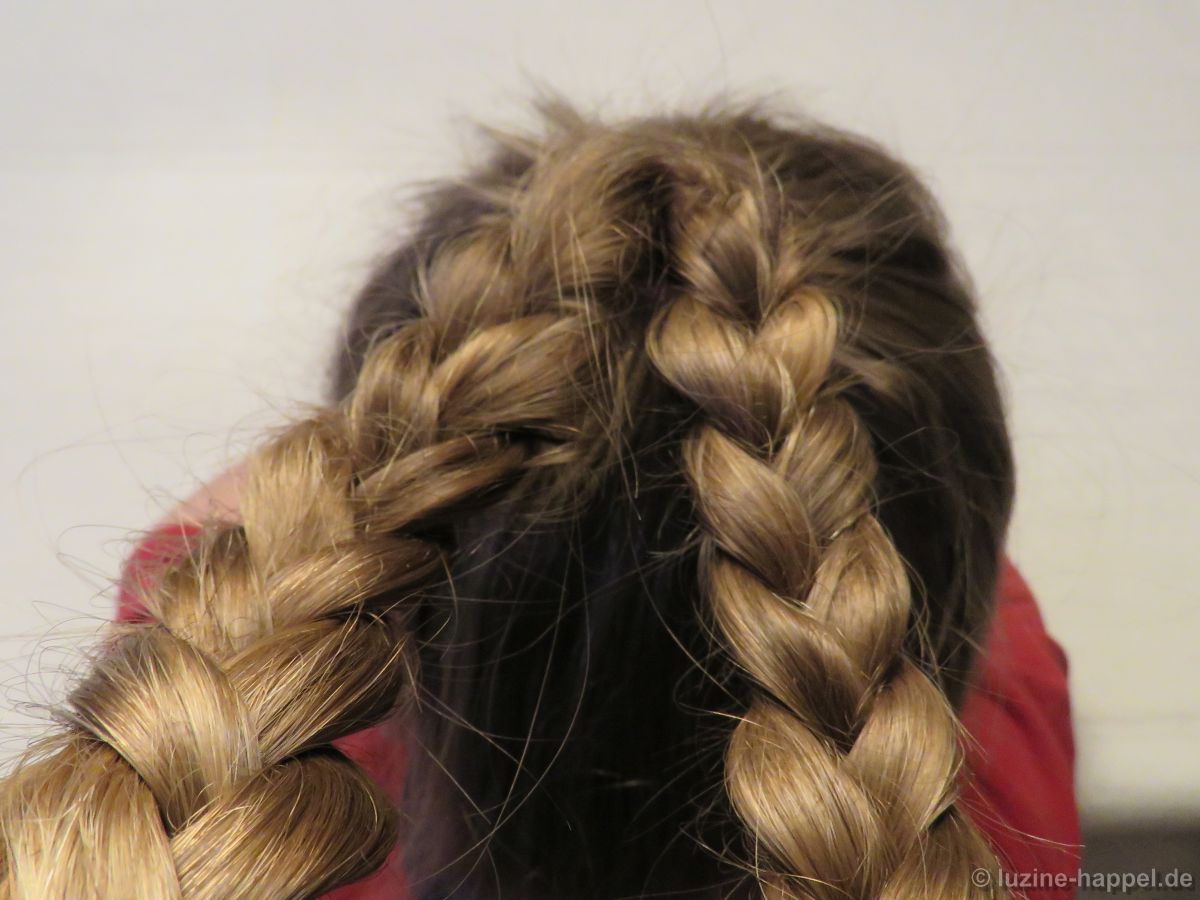
The hair was divided into two plaits.

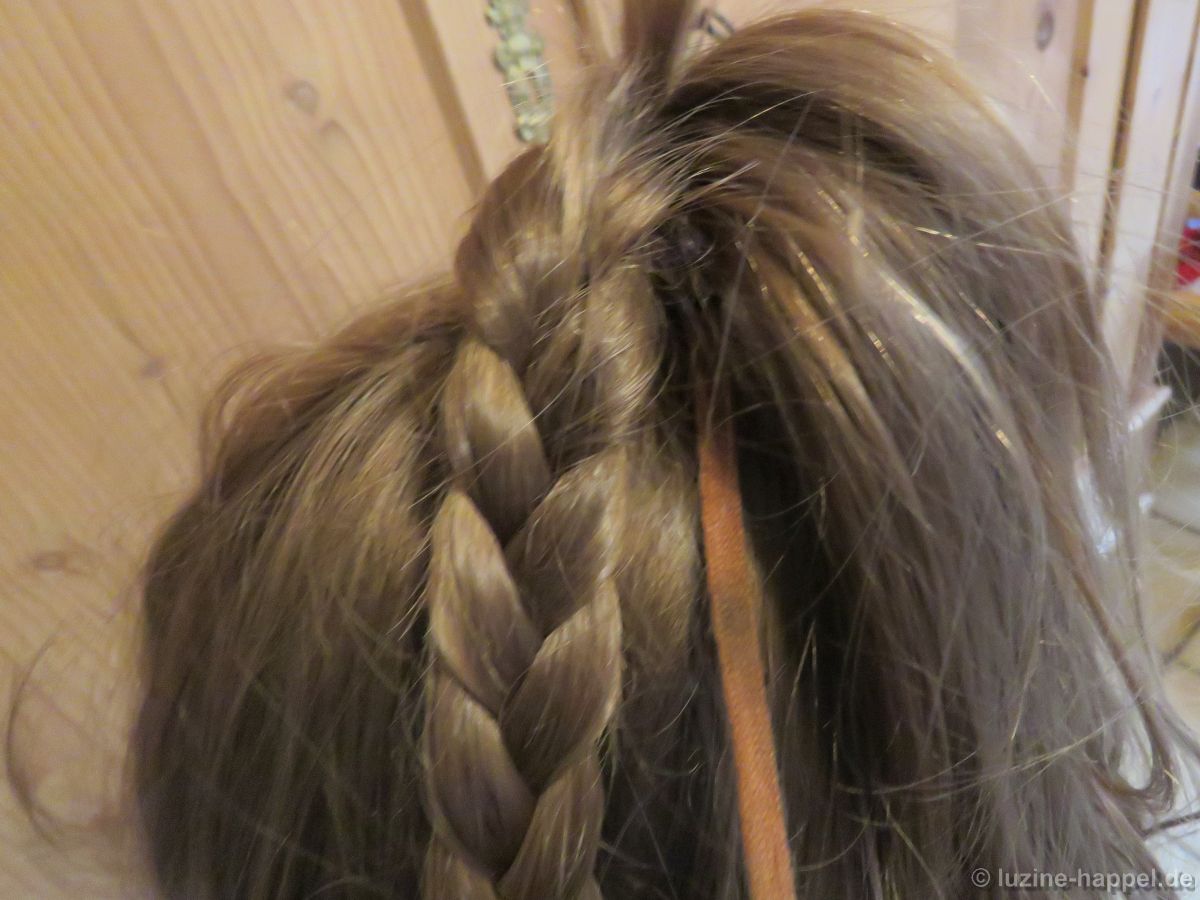
The band was worked into one of the plaits.

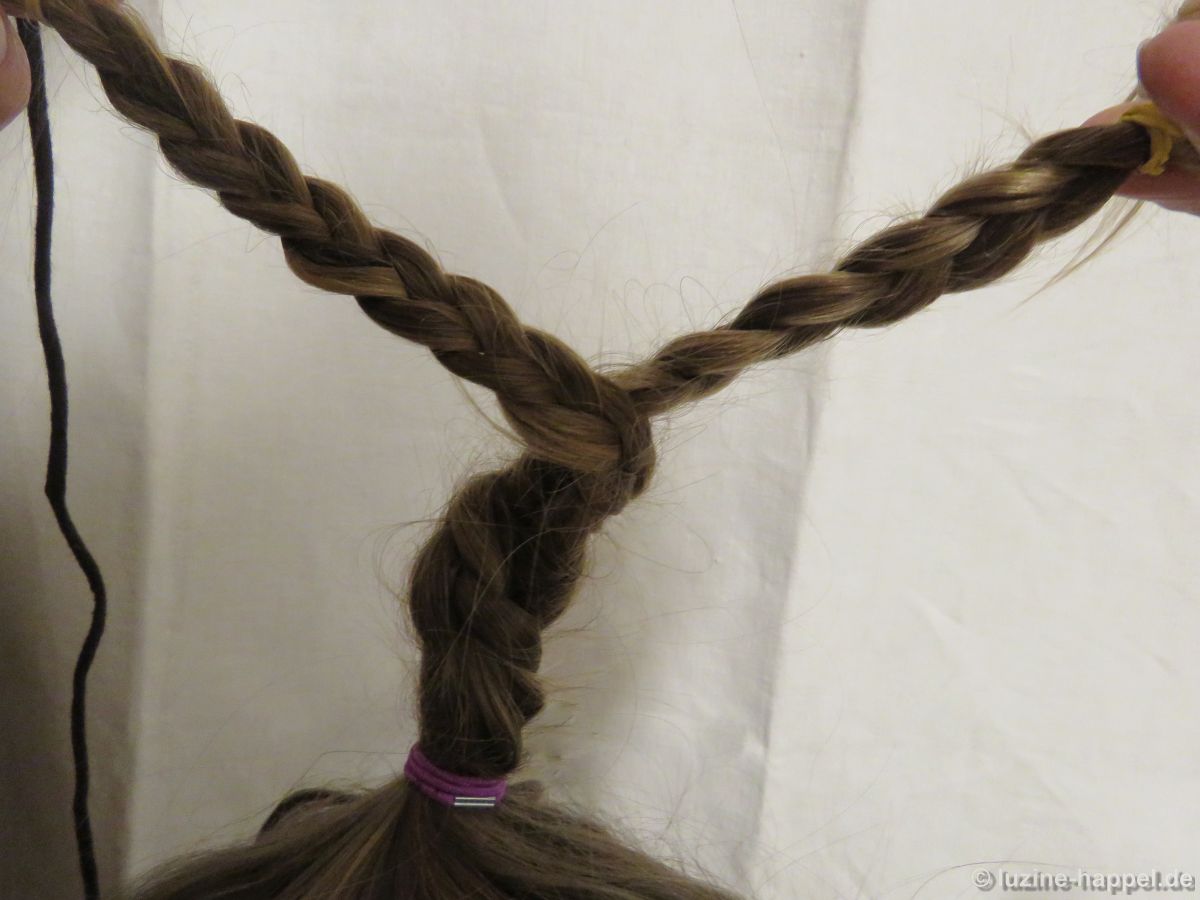
Both plaits were twirled up from the head as high as the finished knot should reach.

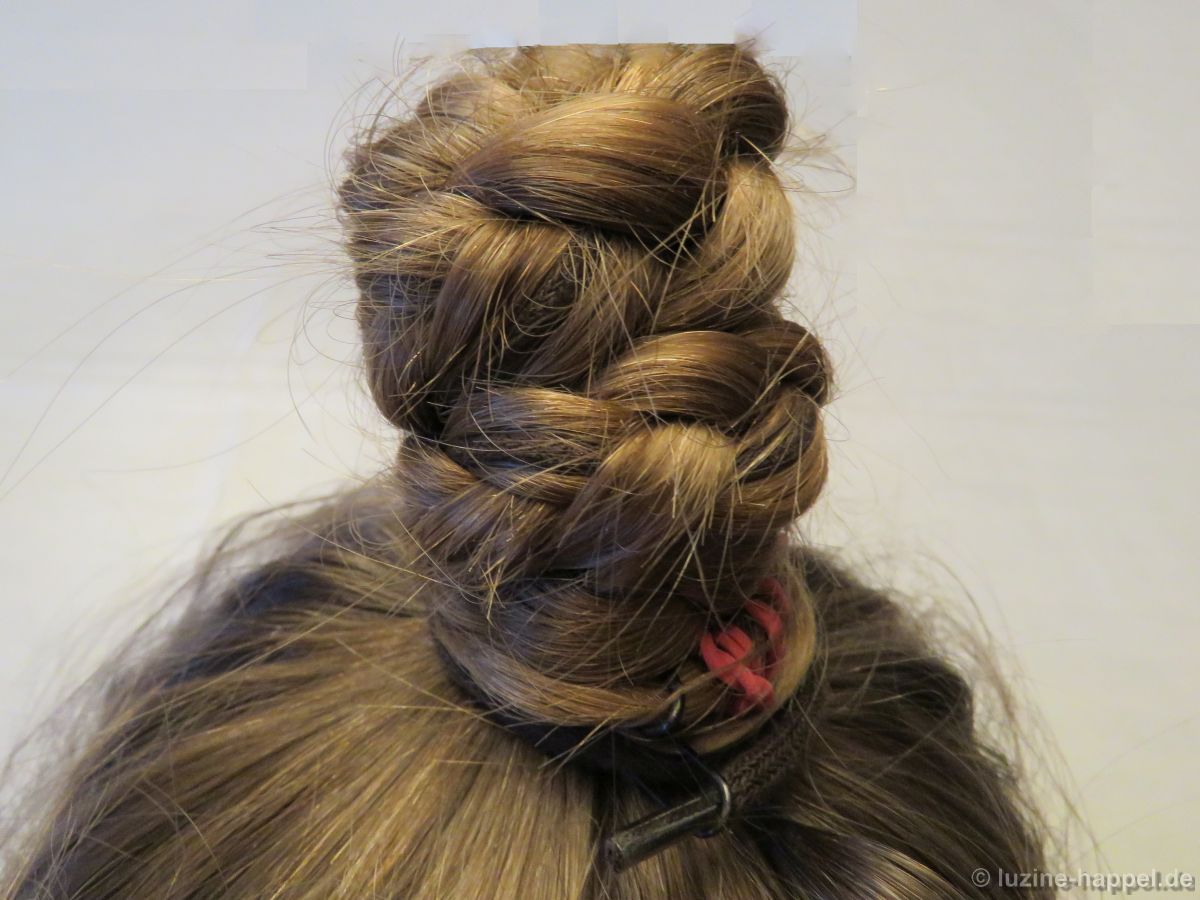
One of the plaits (the one with the band) was held up while the other was wrapped downwards around the twirled part and fastened at the head with hairpins.

Now the second plait – the one with the band – was wrapped around the established knot. Because the band is longer than the plait, it is wrapped around the bottom of the knot and fastened with hairpins.

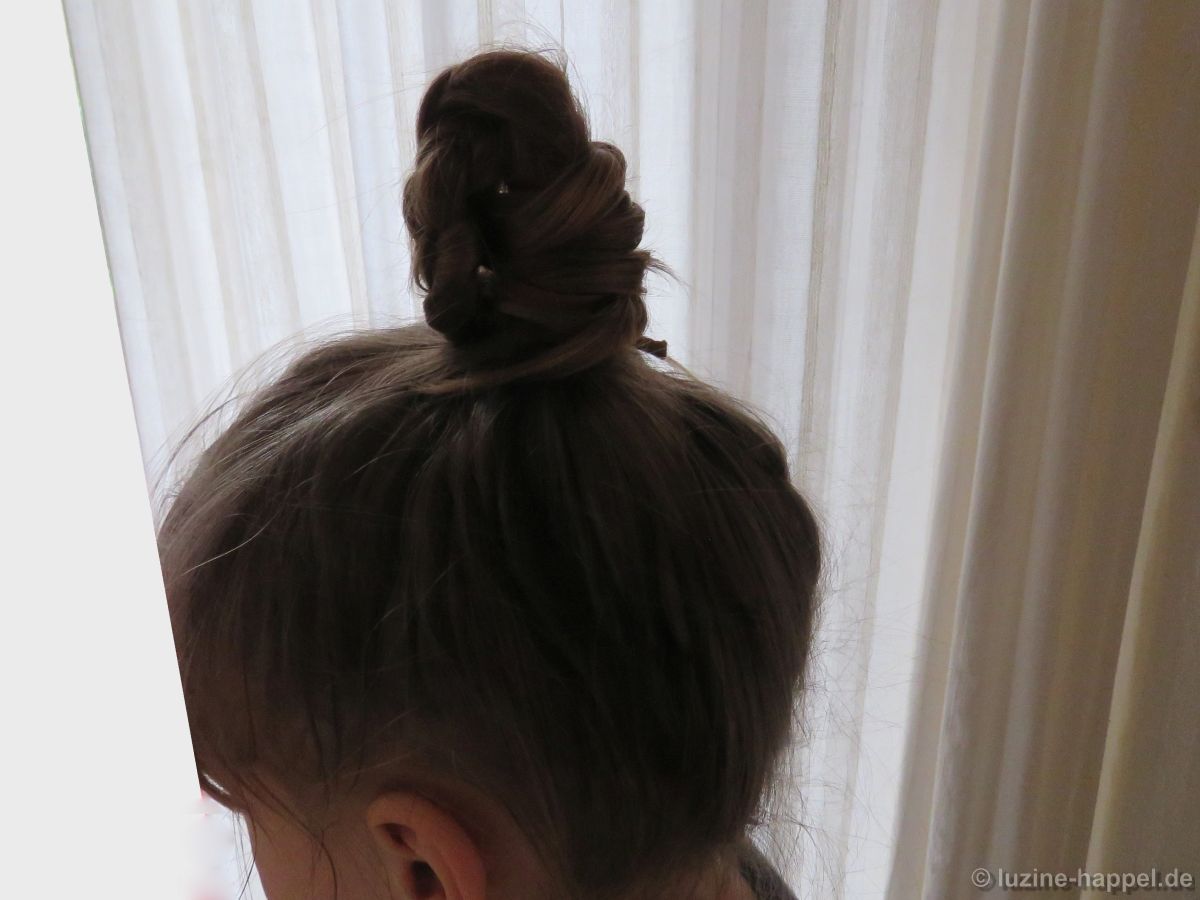
With some practice a perfect and fancy hairdressing was achieved.

It was placed on top of the head, approximately in the middle between the ears.

The Schwalm women needed this somewhat curious hairstyle to be able to wear their special headdresses.

The little caps were placed over the knots.

Schwalm Costume – The Beaded Necklaces

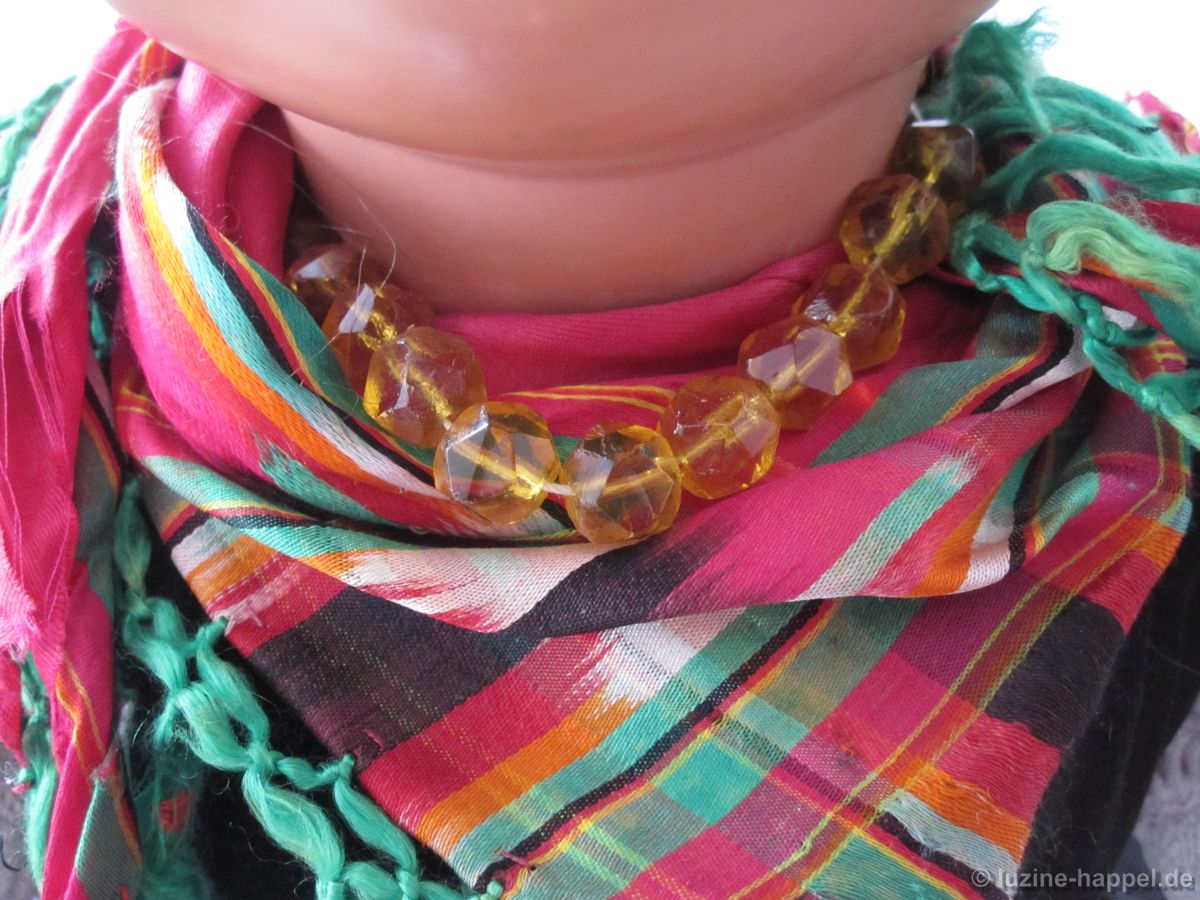
Schwalm women wore short beaded necklaces with their festive costumes.

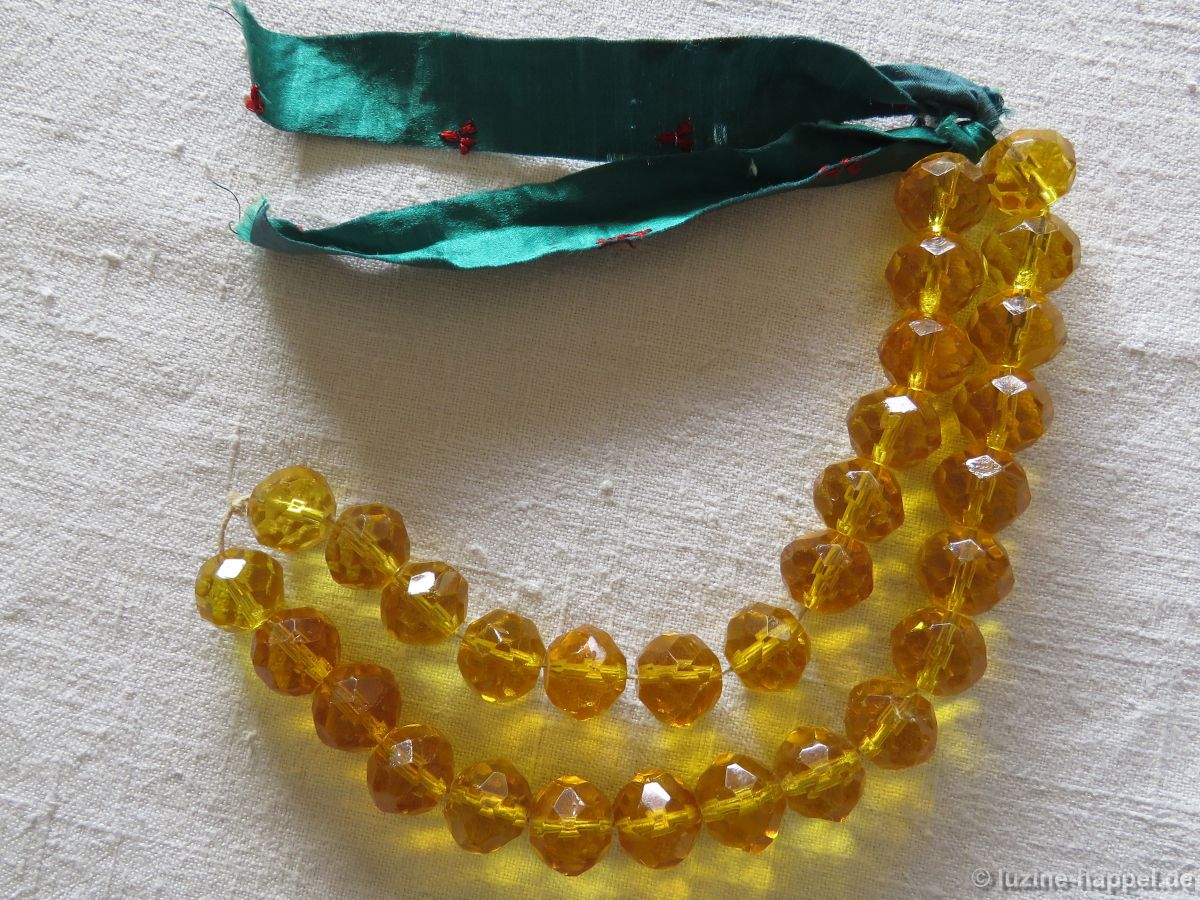
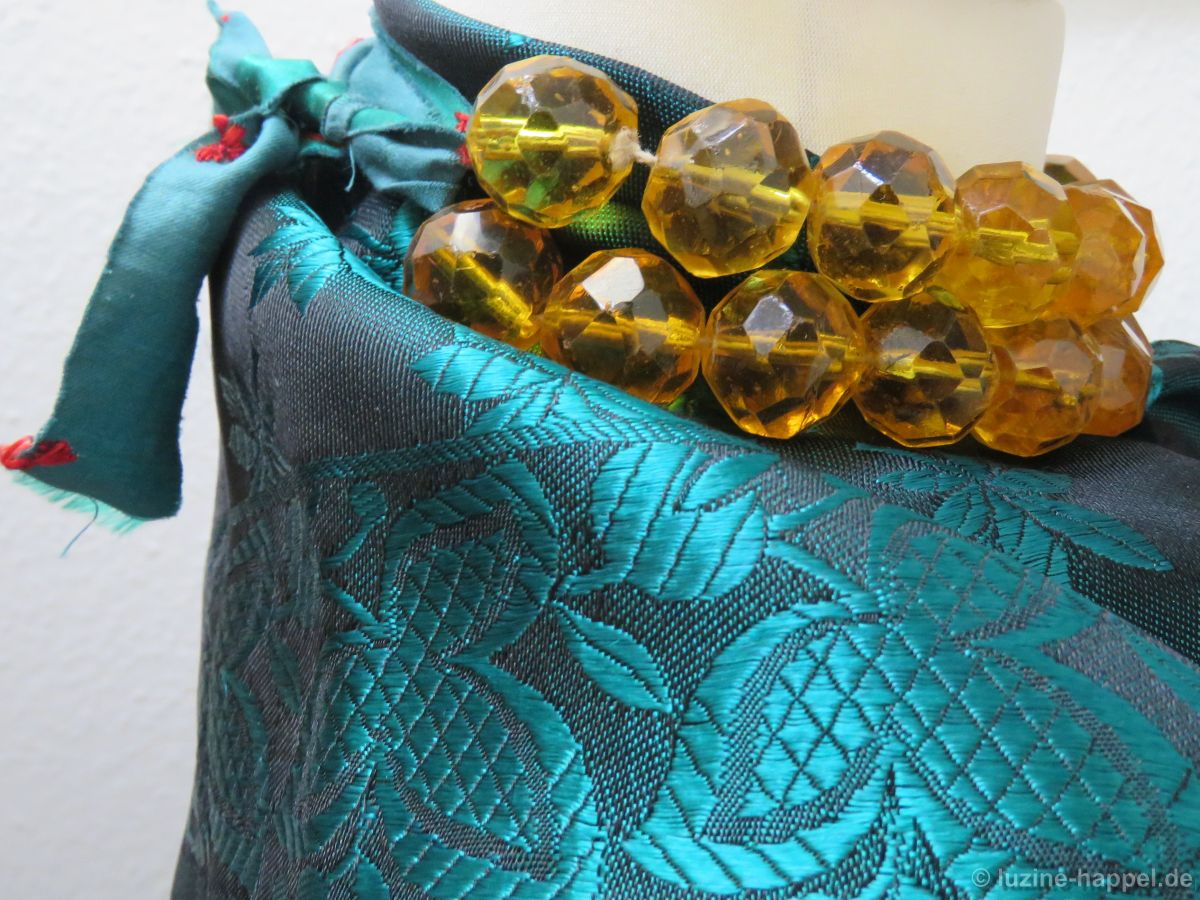
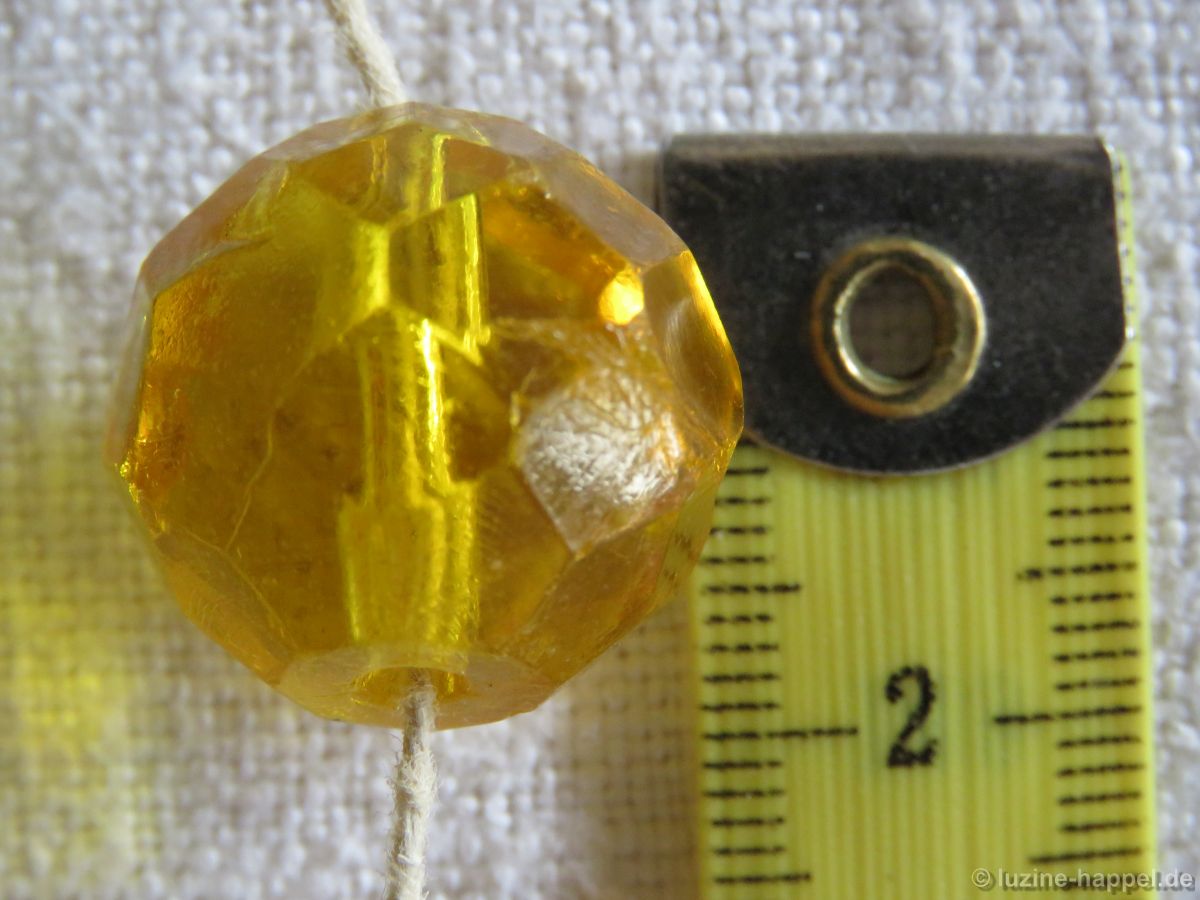
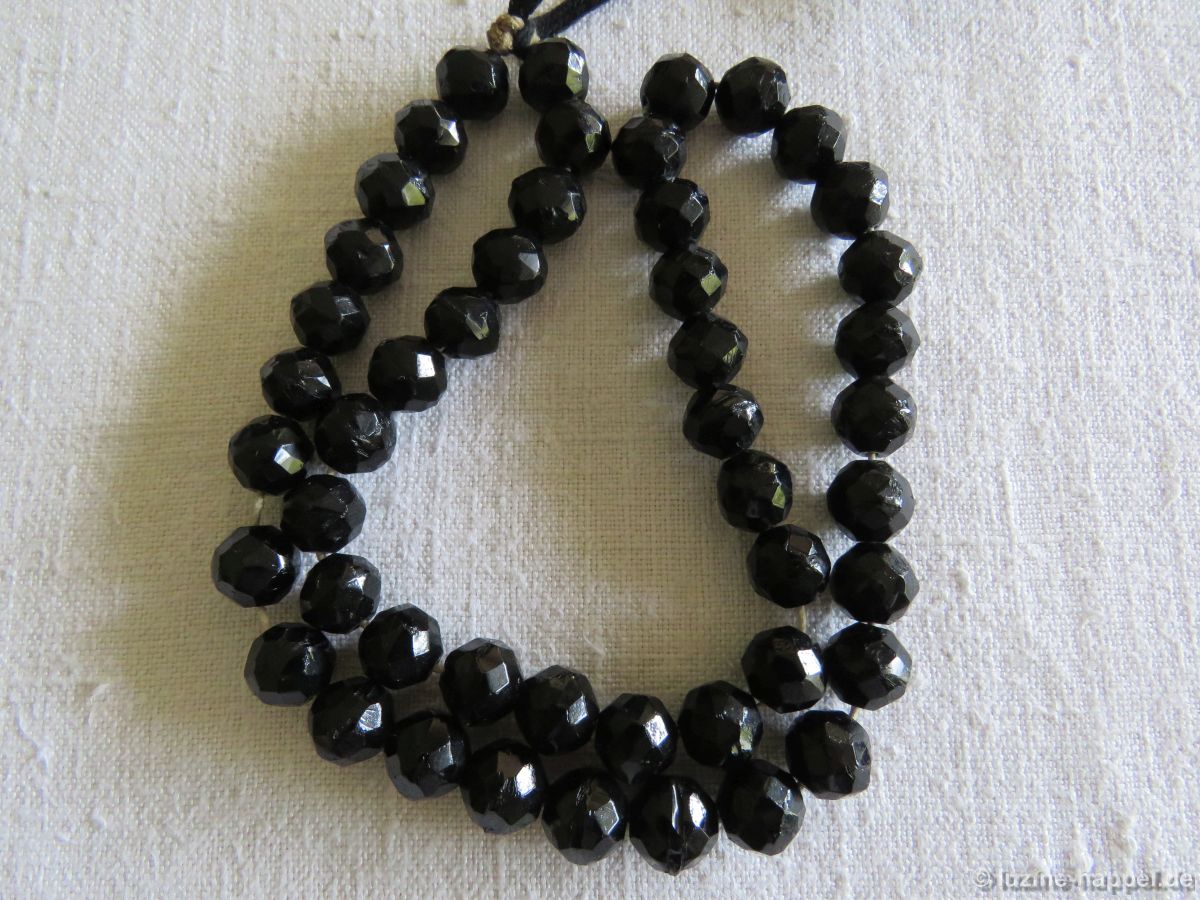
These necklaces were mostly made with Bohemian glass beads with a bevel polishing.


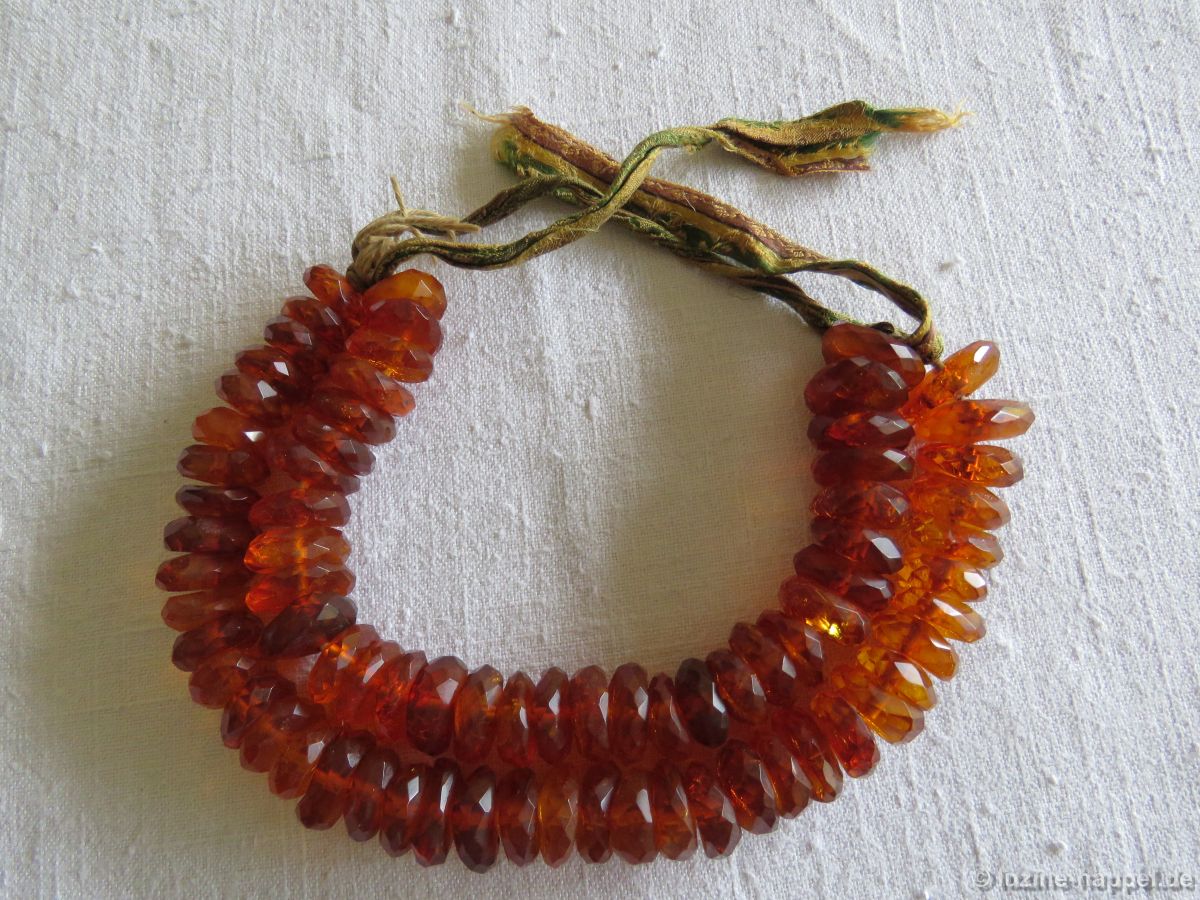
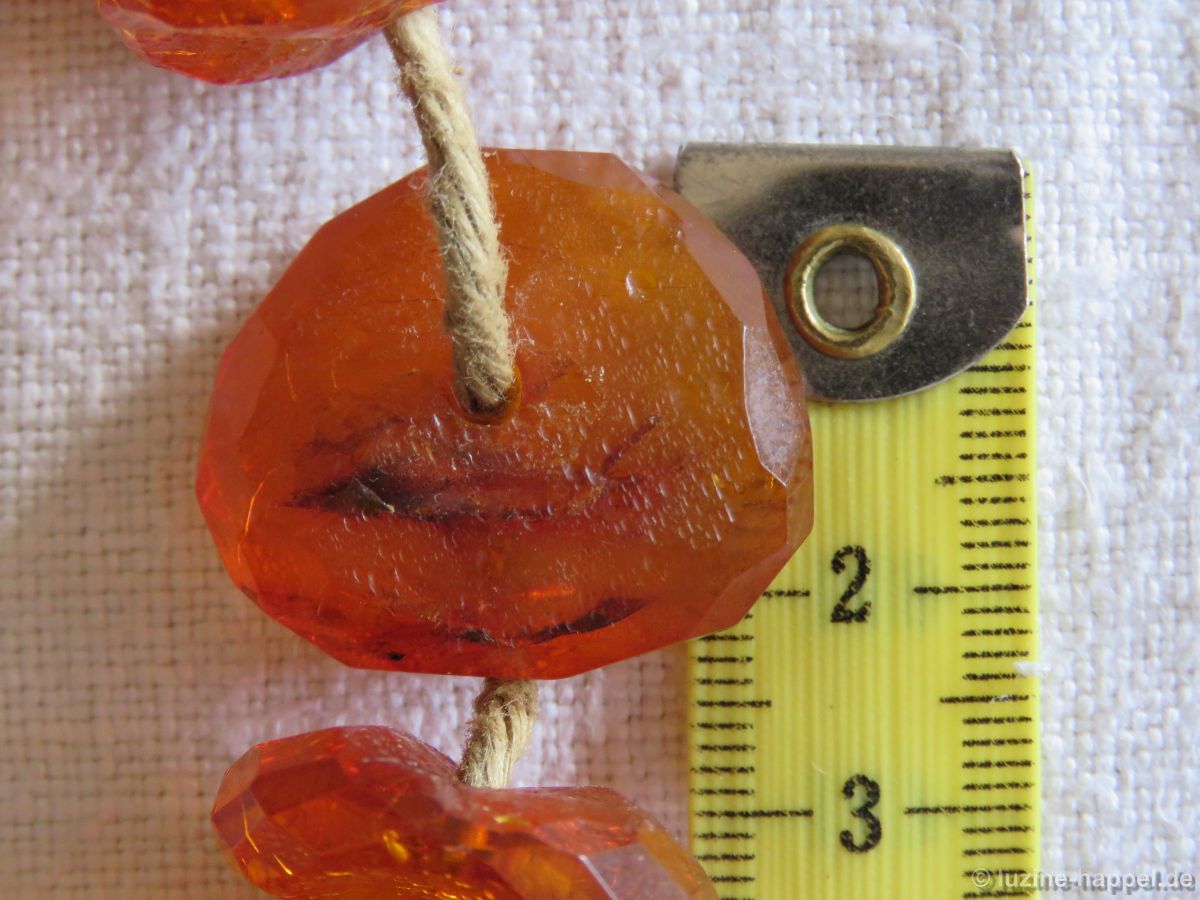
They were also made with amber beads (for wealthier women).


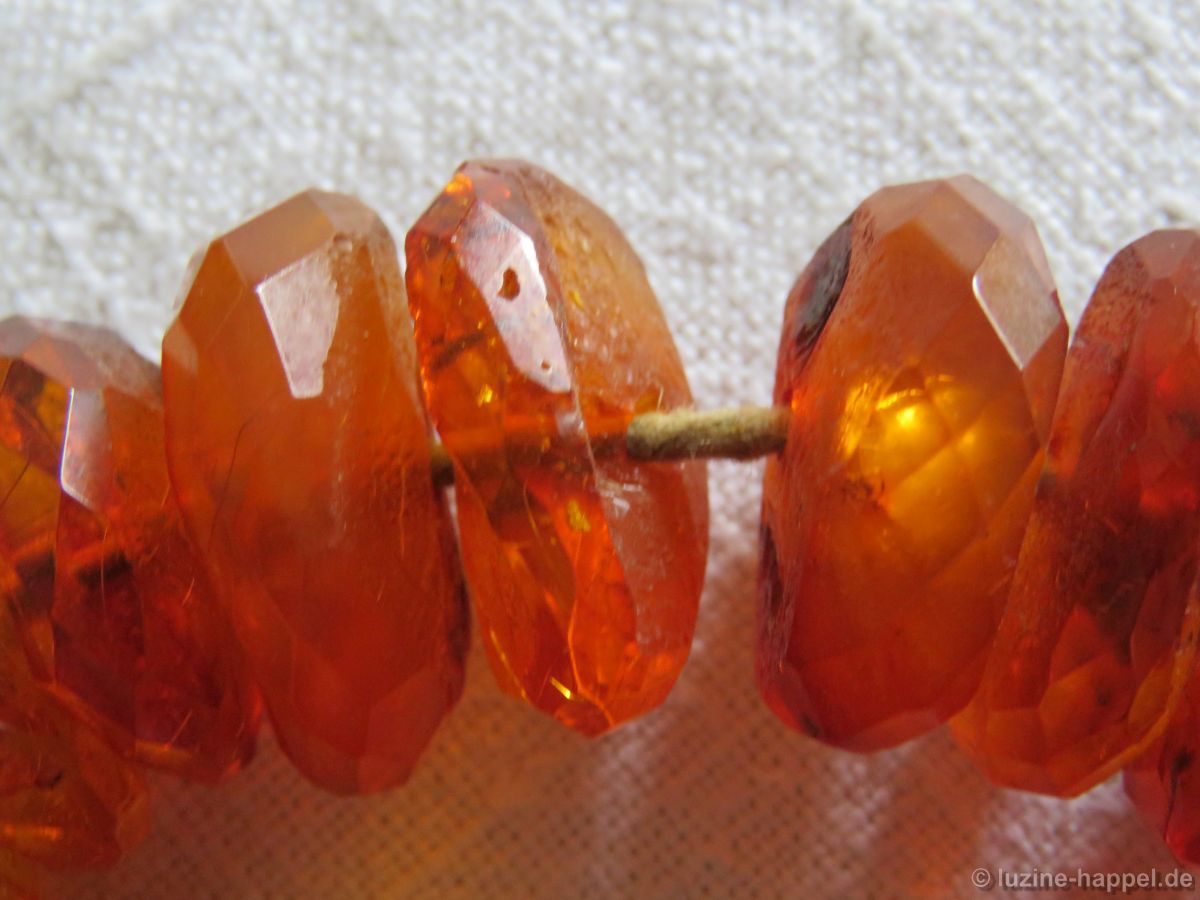
The amber beads also got a bevel polishing.


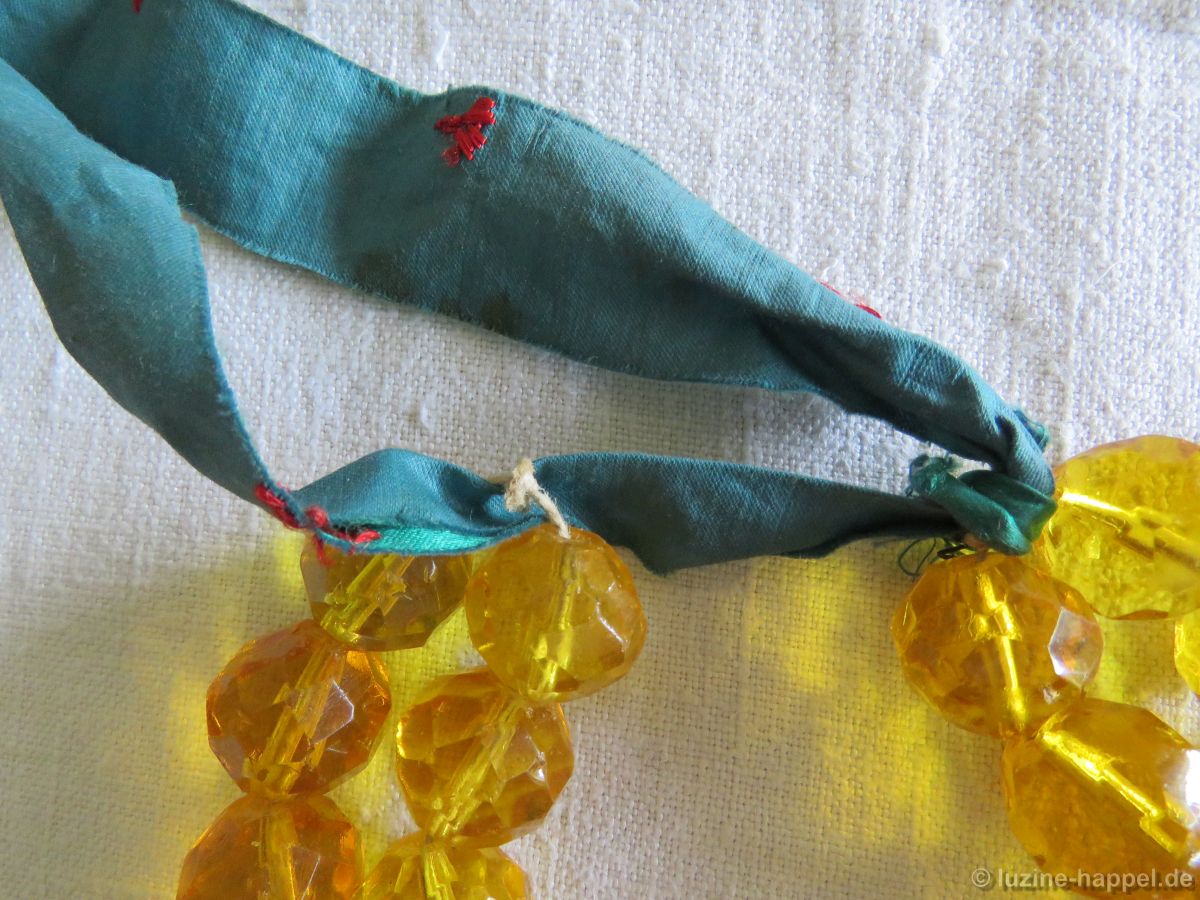
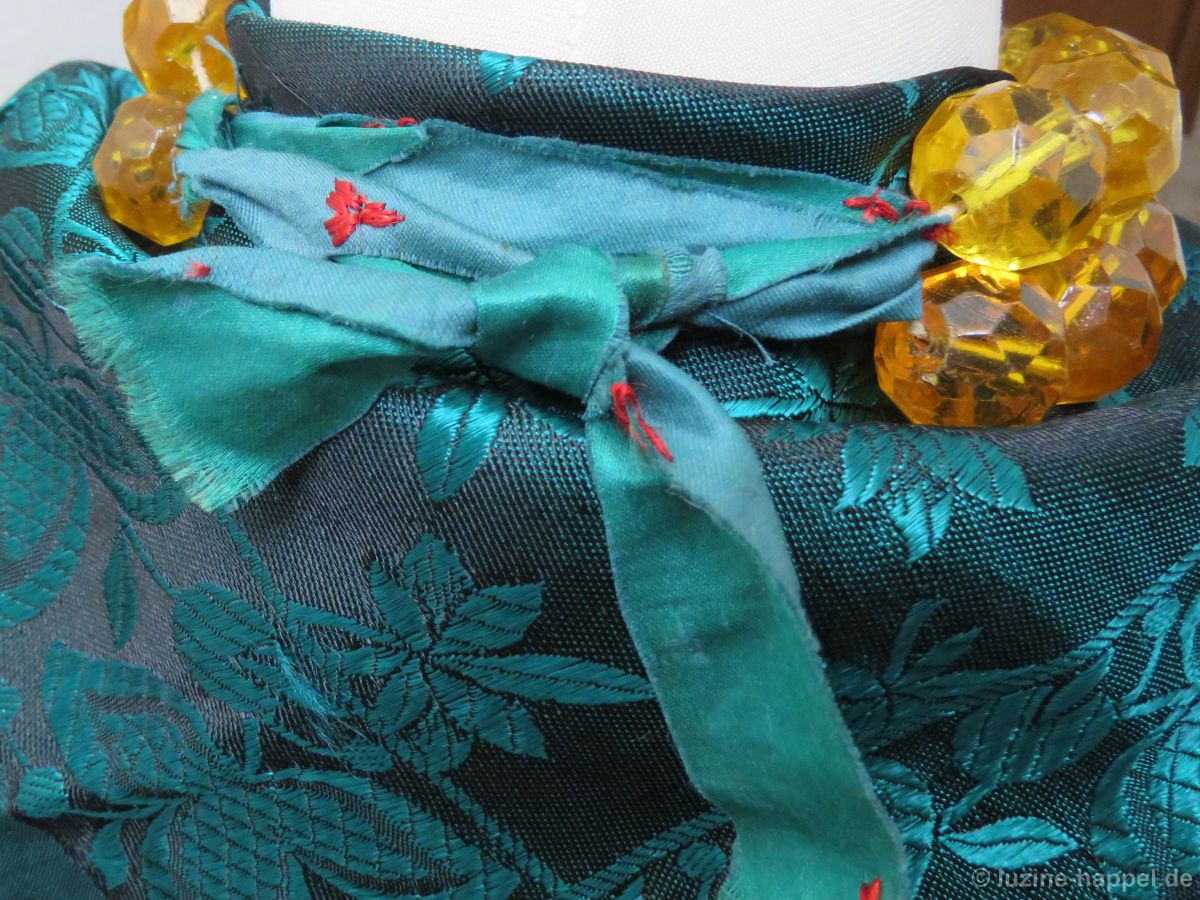
A coloured silk ribbon was used to secure the necklace.
The beads of the necklace did not fully encircle the neck; a short distance at the back of the neck was bridged with the silk ribbon.
The beads were strung onto a strong thread.


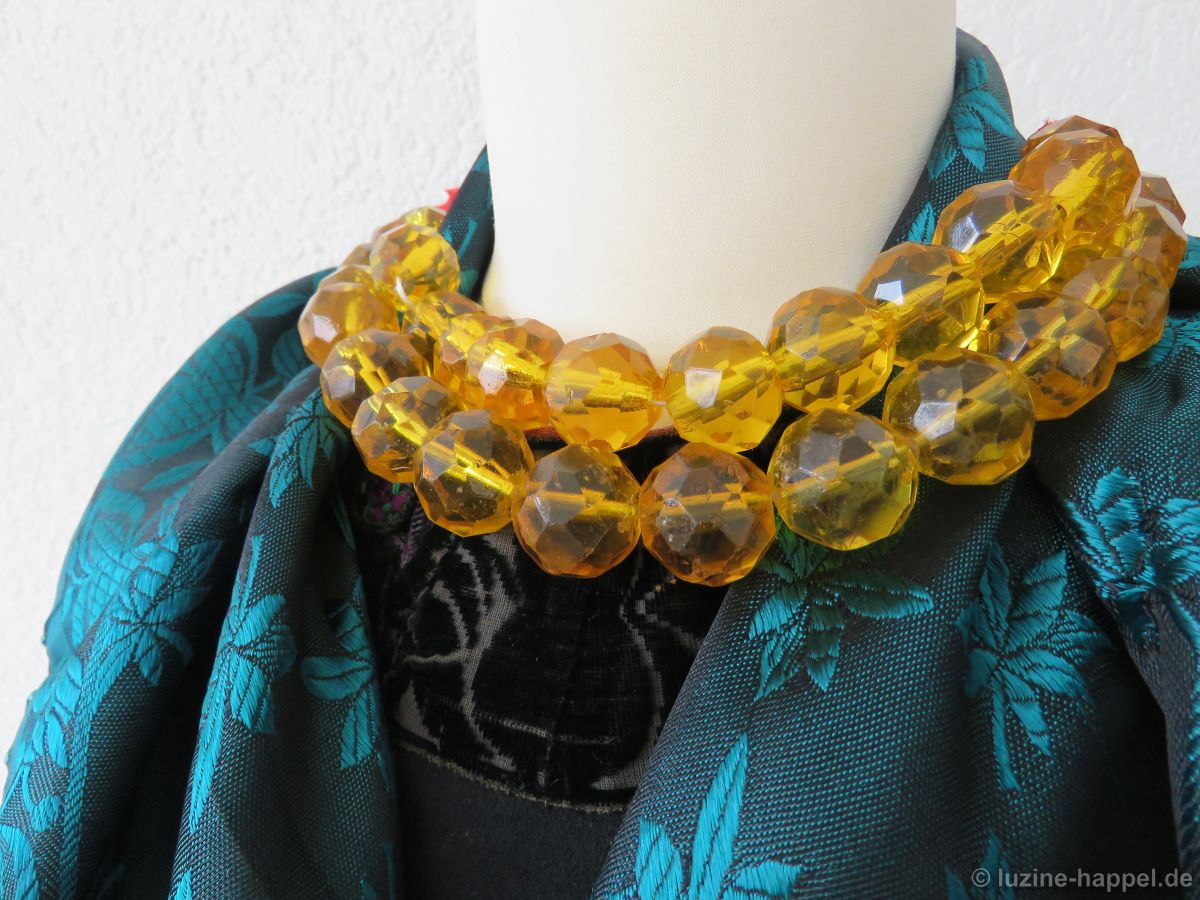
Often the heavy necklaces were worn doubled. A knot in the thread


marked the place where the strand was turned and laid back.


The mid point of the silk ribbon was fastened at one end of the strand.


One end of the ribbon was threaded through the folded back strand at the knot mark on the opposite side of the necklace.


The ribbon ends were secured with a knot at the back of the neck.


In single strands, the beads were approximately the same size, but different sizes for girls and women were common.


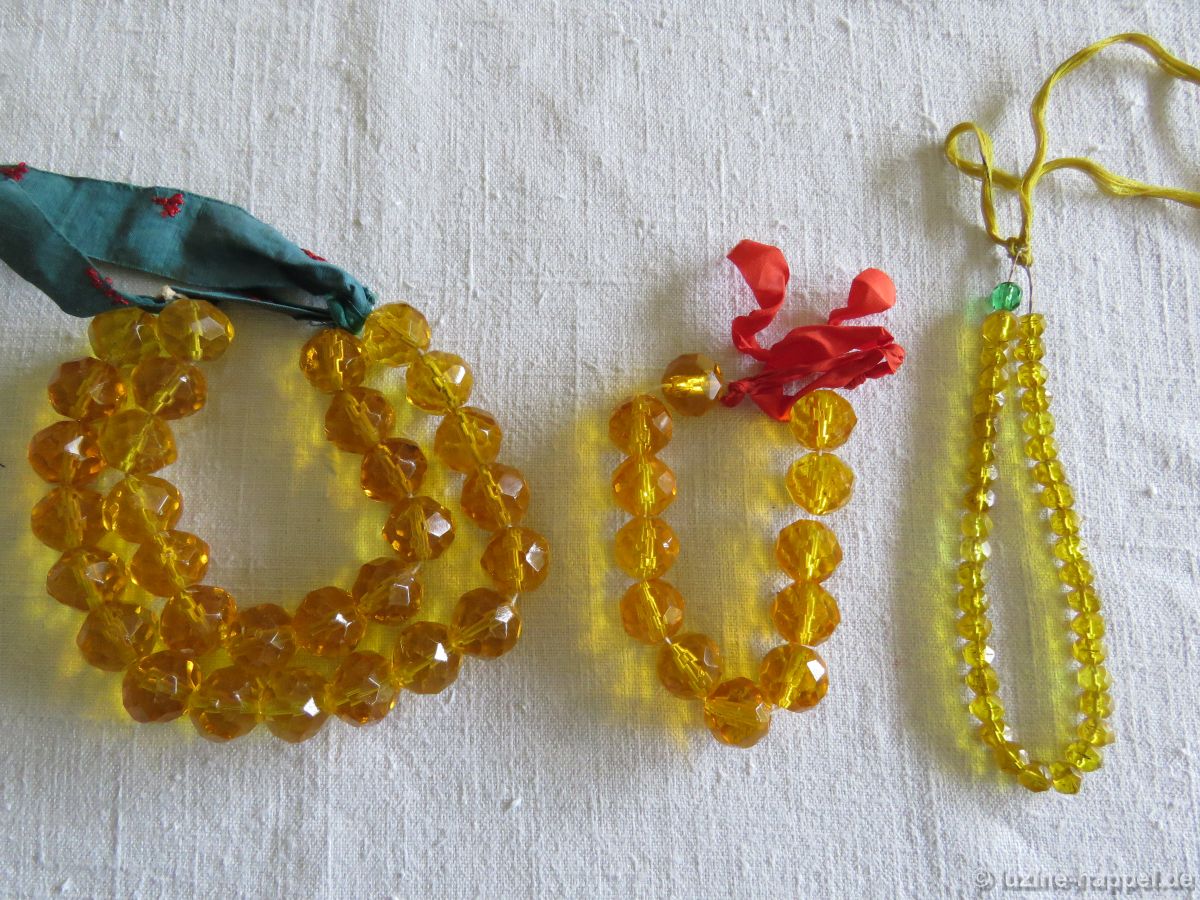
Often the beads for adults had a diameter of about 2 cm. Such a double-row necklace containing thirty beads (on the left in the above image) weighs 280 g! Did you ever wear such a heavy necklace?


The amber discs had a thickness of nearly 1 cm
and a diameter of more then 2 cm.
Such a double-row amber necklace containing seventy-four discs weighs 190 g.


The chains lie upon the silk neckerchiefs.


This makes wearing the heavy rocks more pleasant.


Black necklaces made from glass beads were worn with the black costume.


In addition to these most common necklaces, there were also necklaces for special occasions such as marriage. These will be subject of a future article.
Schwalm Costume – Joy-and-Sorrow Neckerchiefs

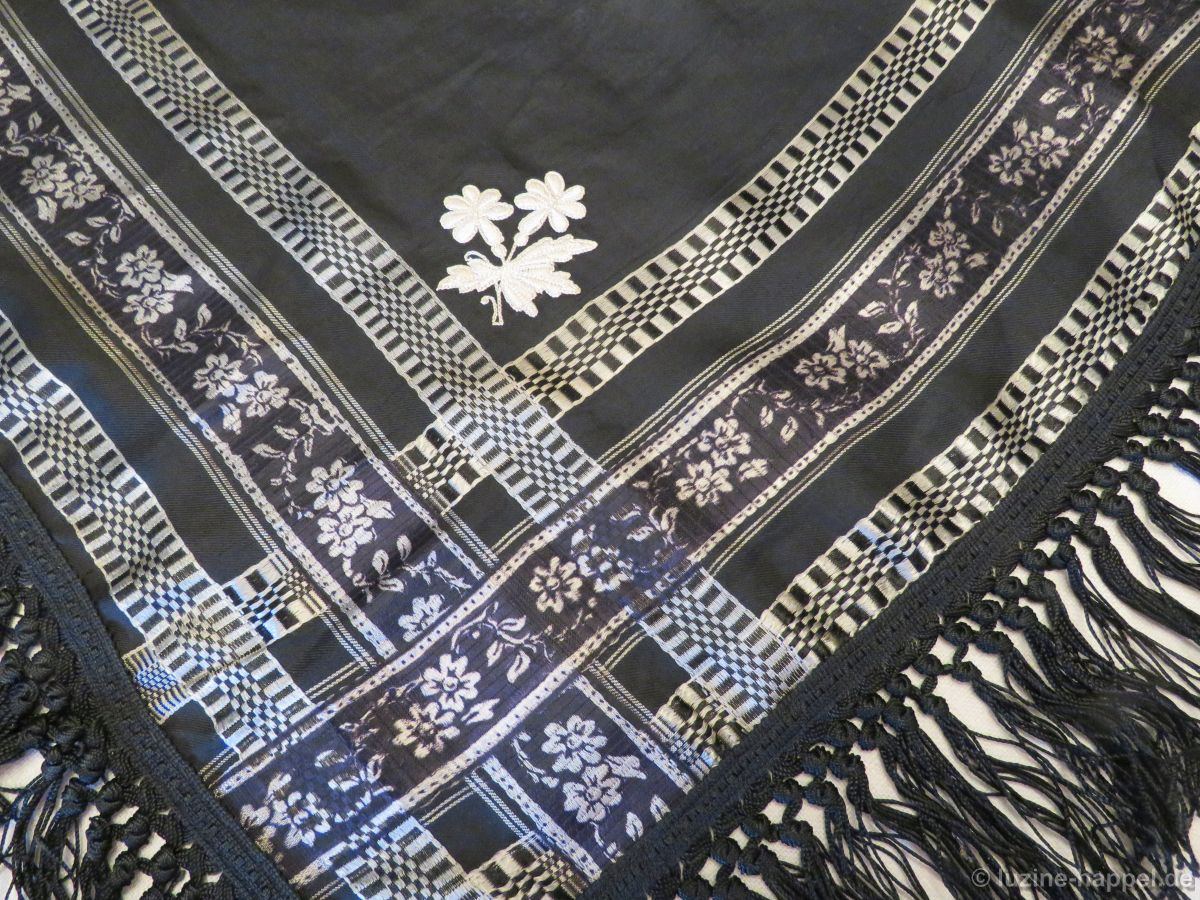
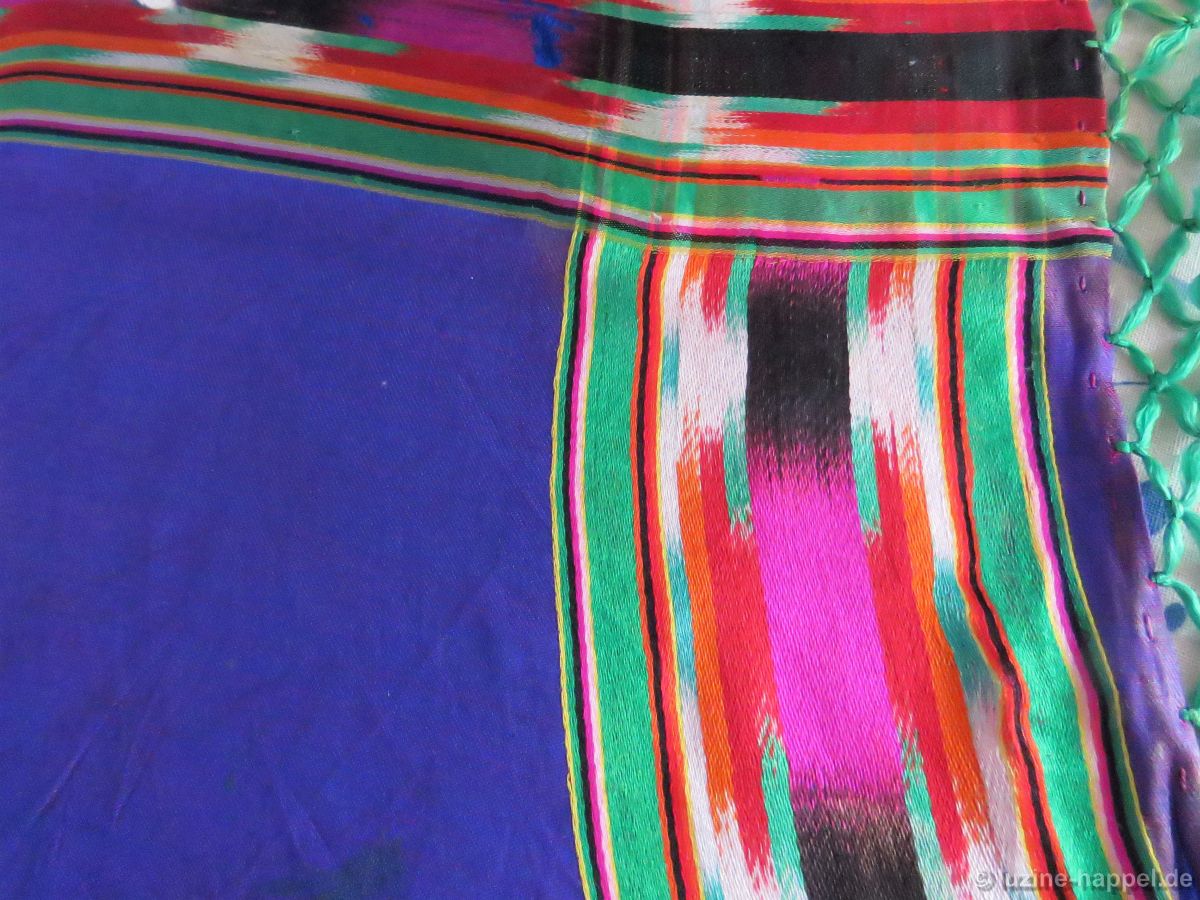
The joy-and-sorrow neckerchiefs were a special type of neckerchiefs worn by Schwalm women.


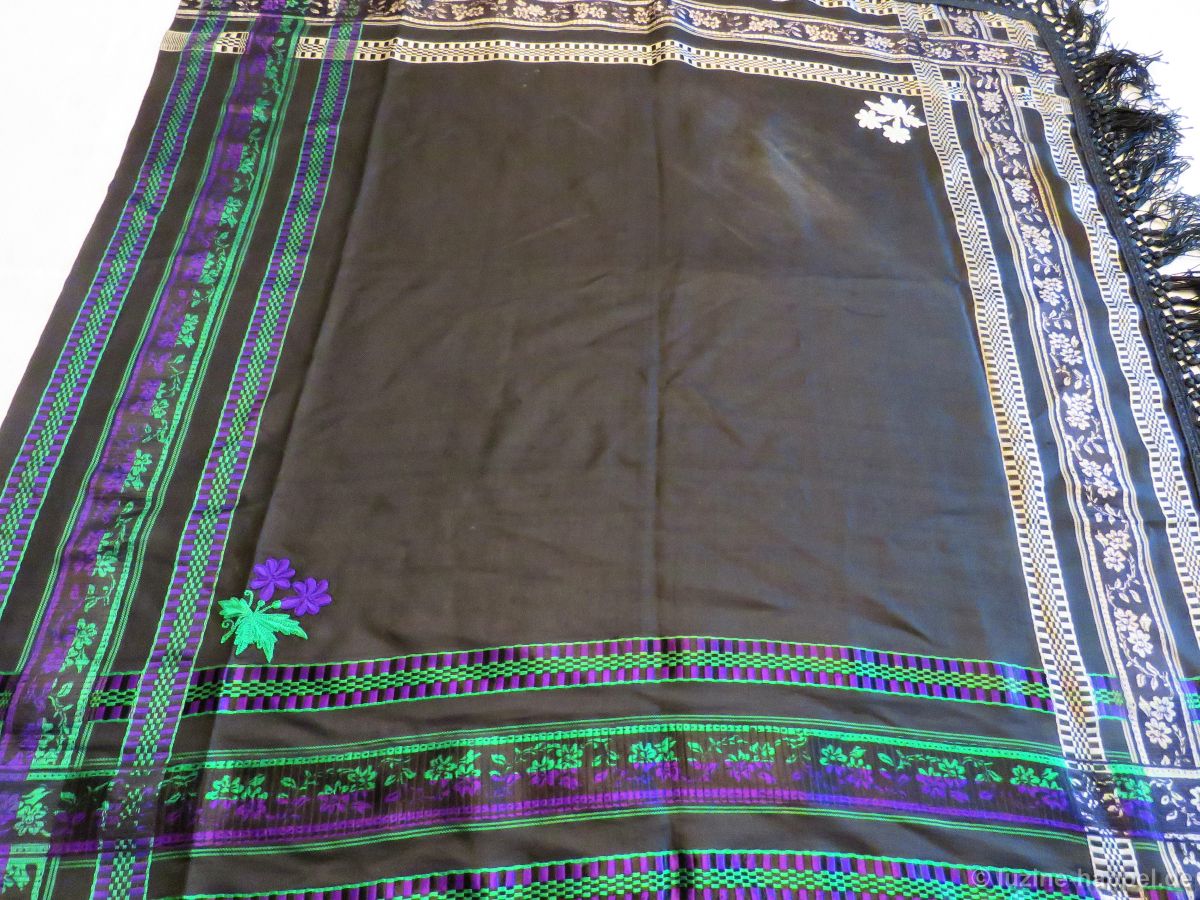
Especially precious cloths made of pure silk were worked in such a way that they could be worn for either cheerful or mournful occasions.


Because the square cloths were folded diagonally, either the colourful


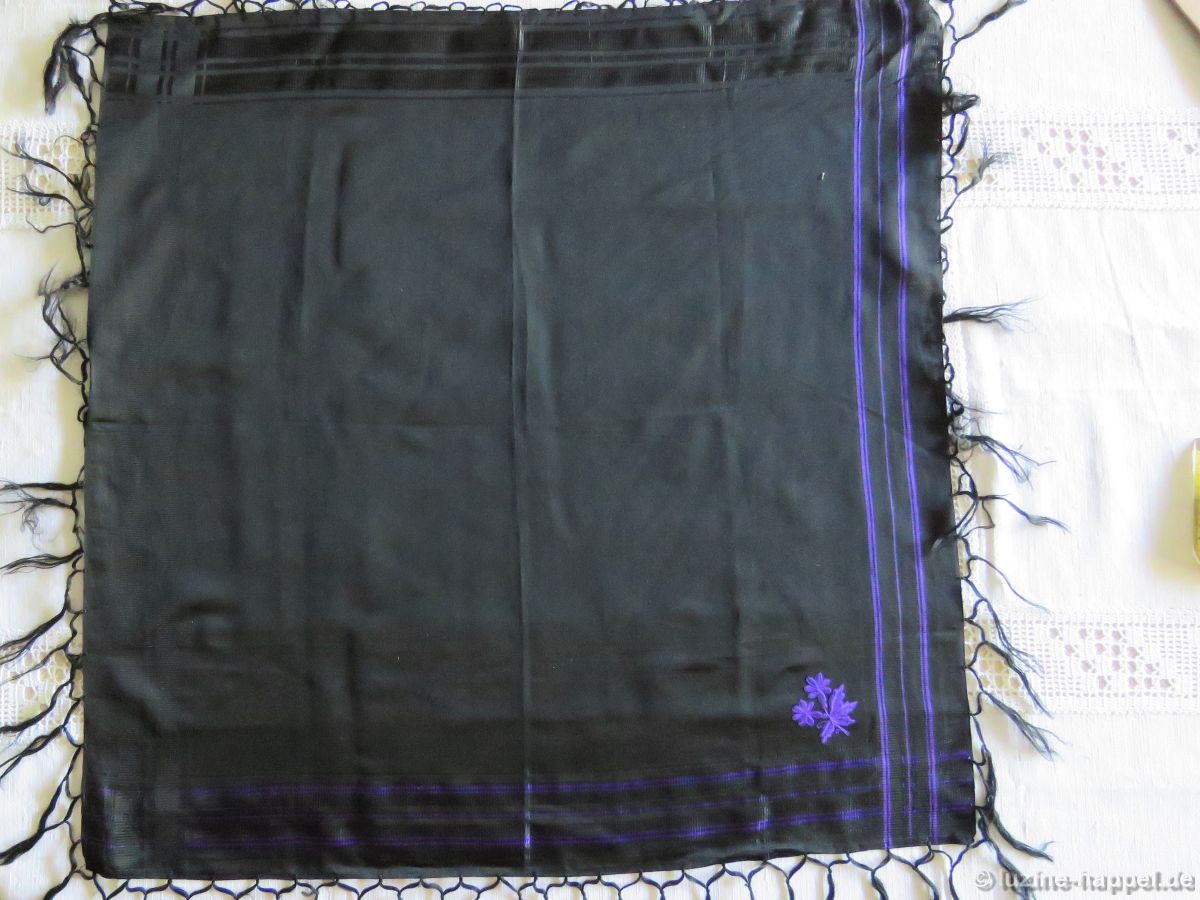
or the black


or the white-and-black side was visible.
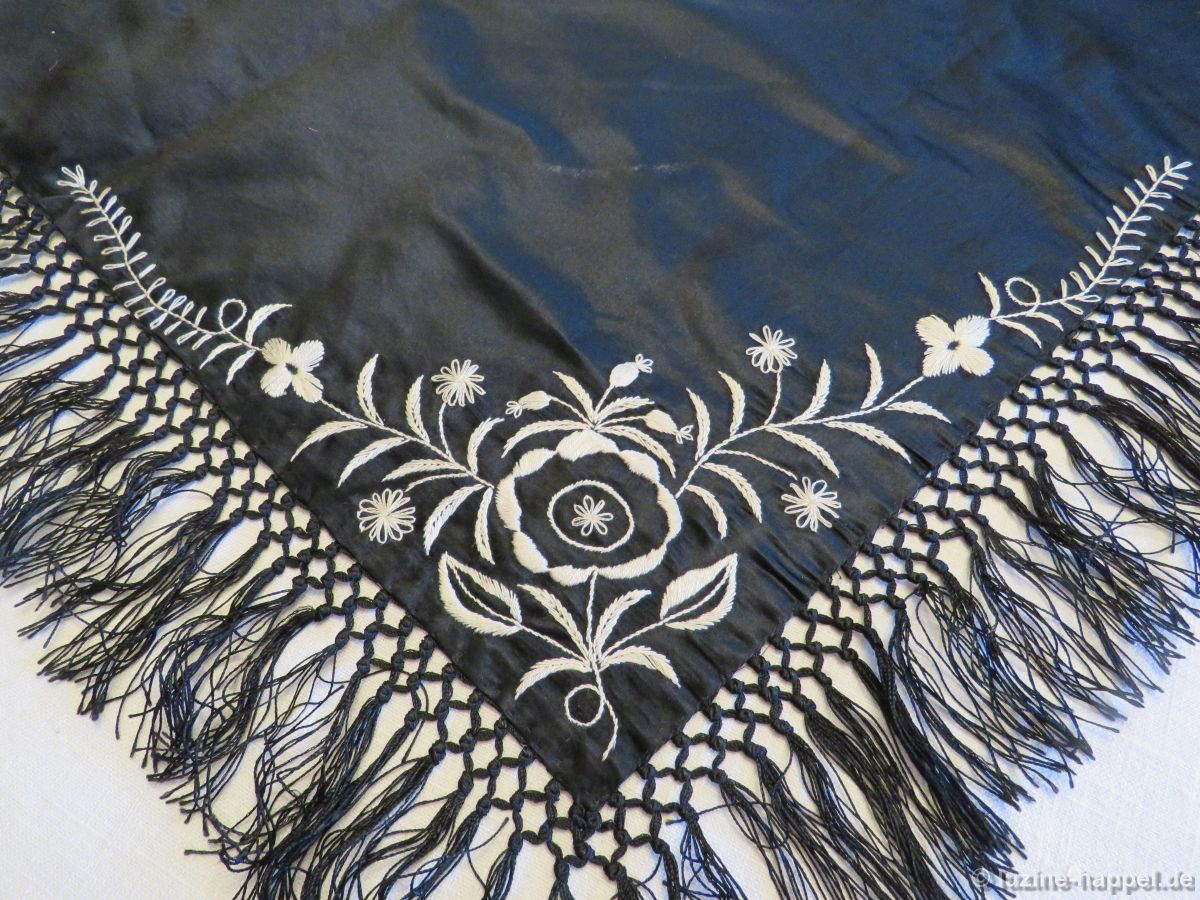

Often these especially pretty cloths were embellished with embroidery.

Schwalm Costume – The Neckerchiefs

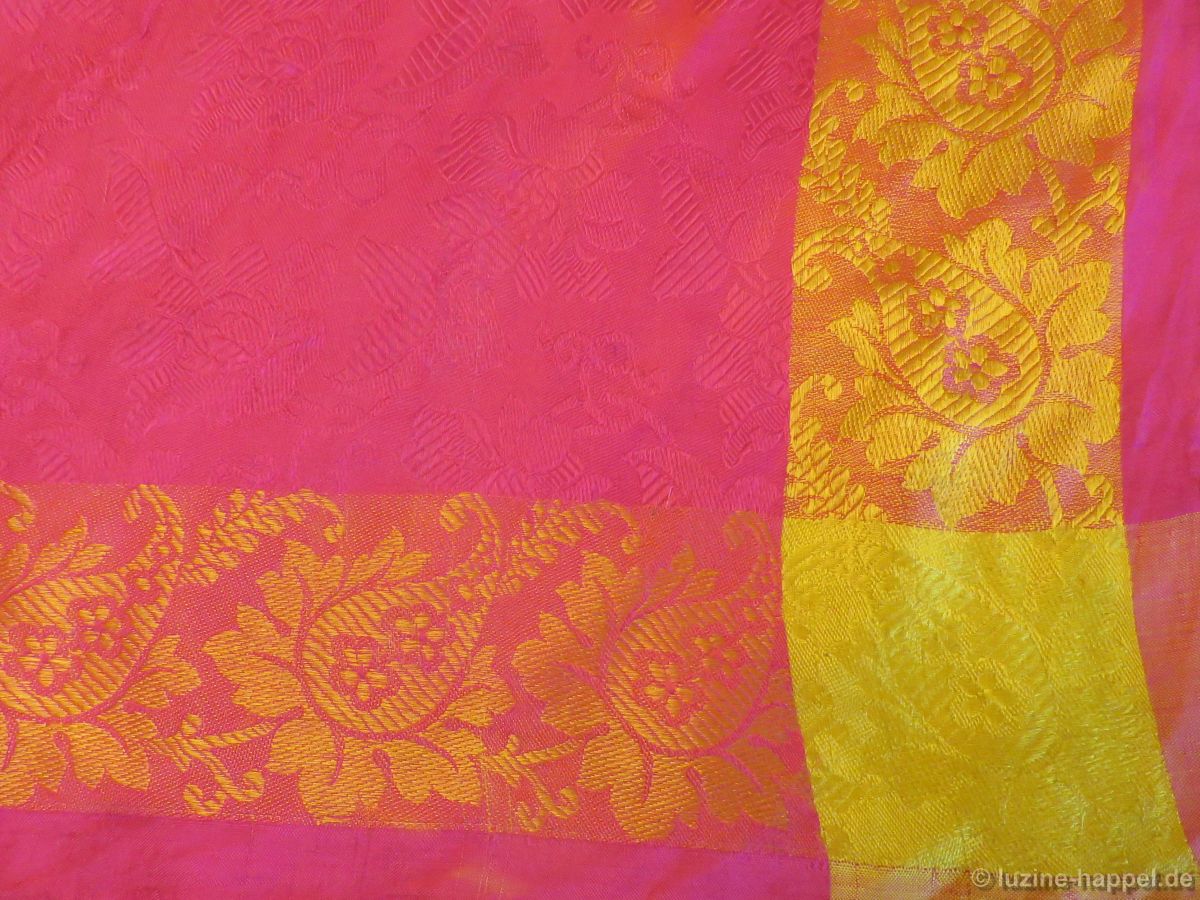
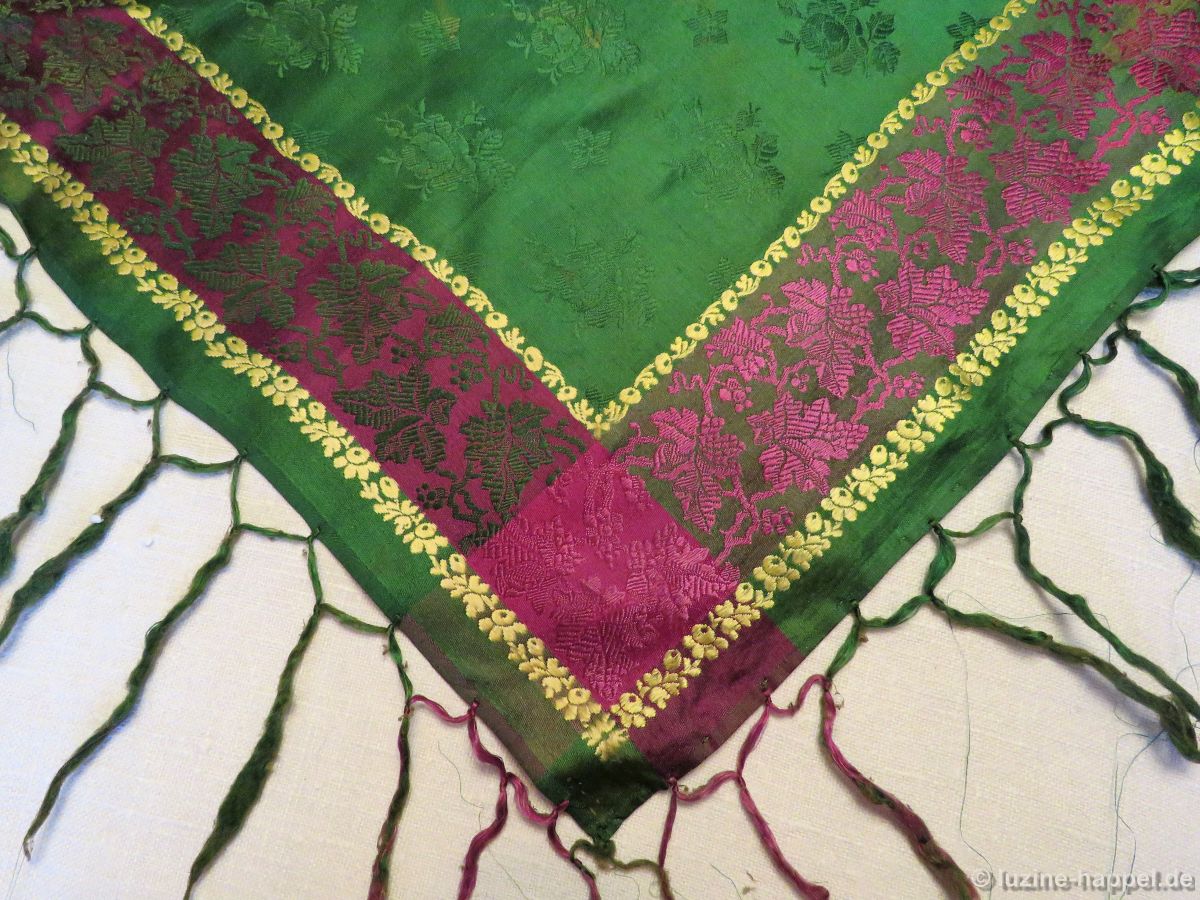
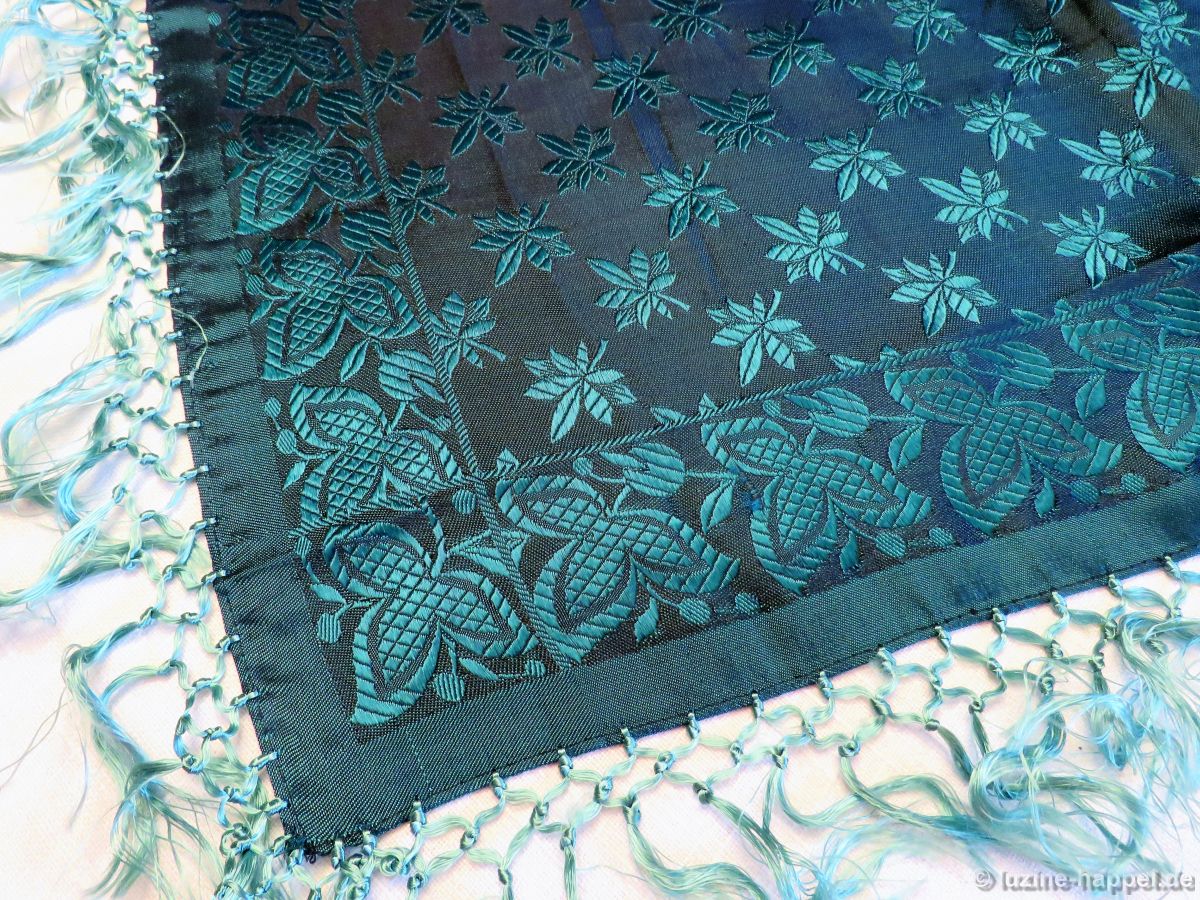
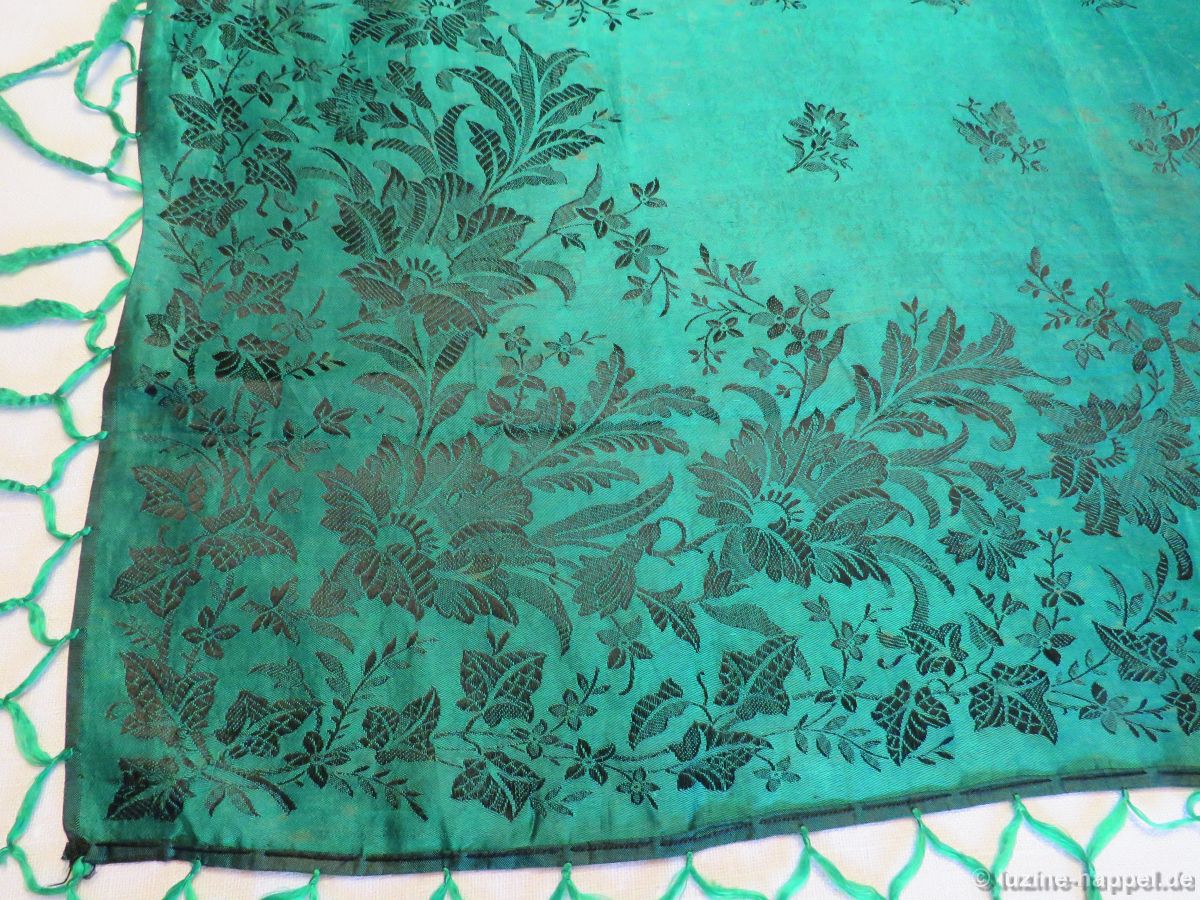
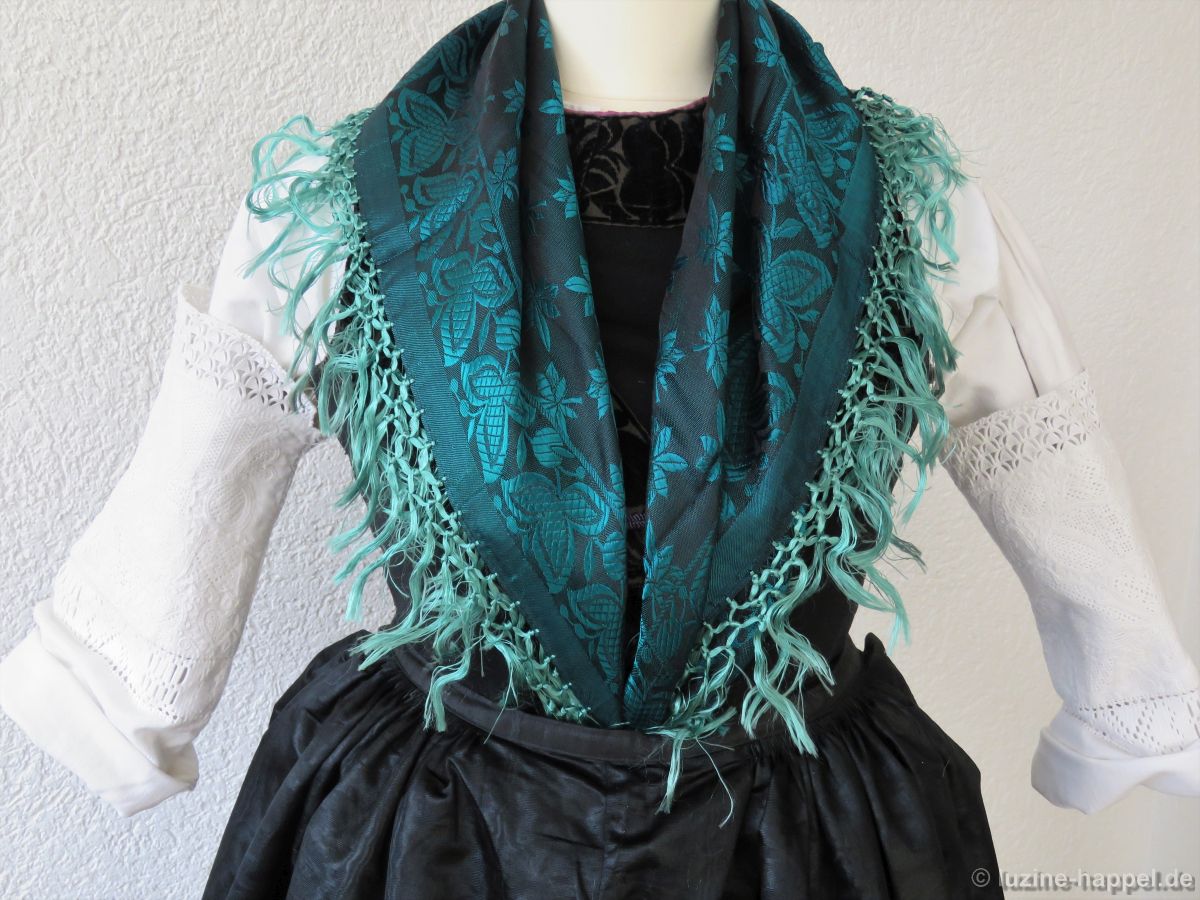
Schwalm women wore neckerchiefs with their festive costumes. These square cloths were made of pure silk.


The neckerchiefs of young women were often very colourful reflecting the basic colour of the costume.

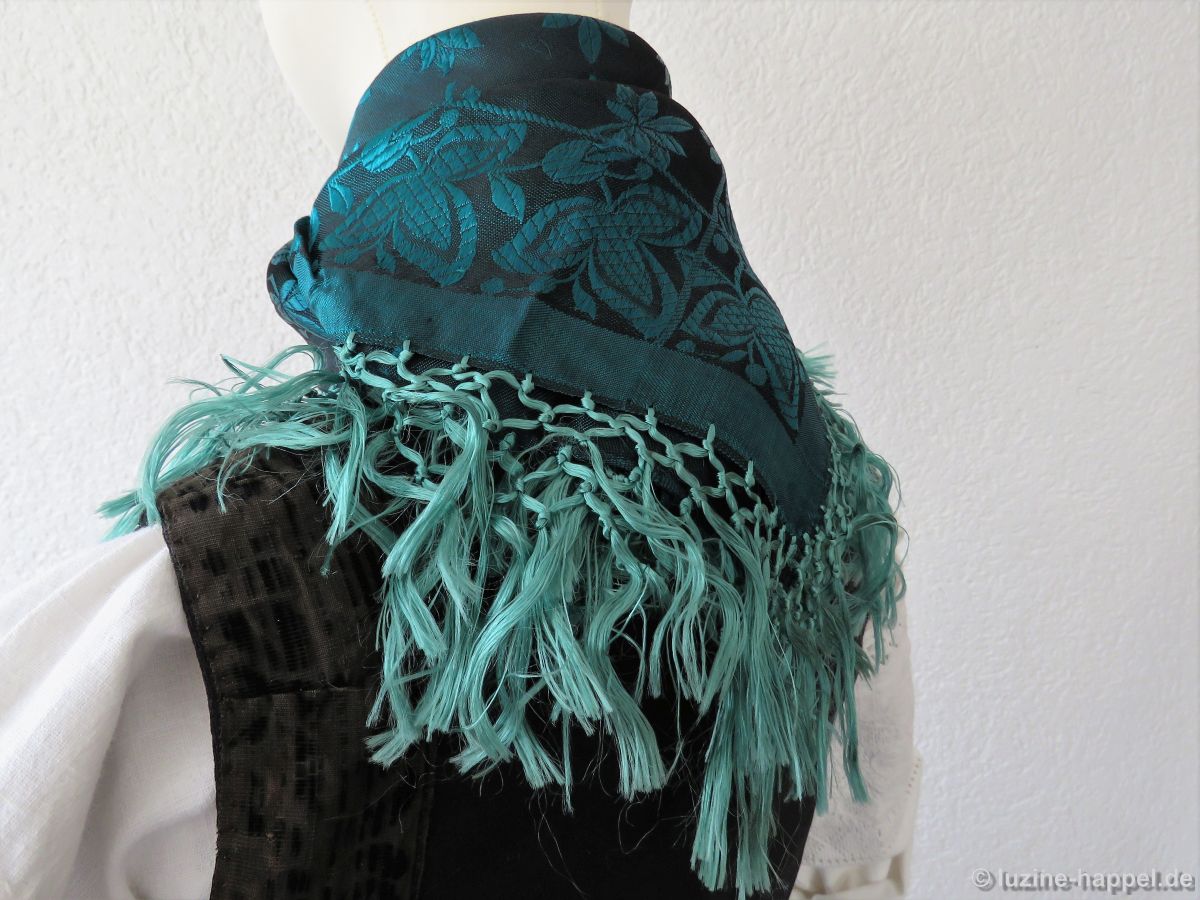
Fringe made from silk threads knotted at the edges was common.
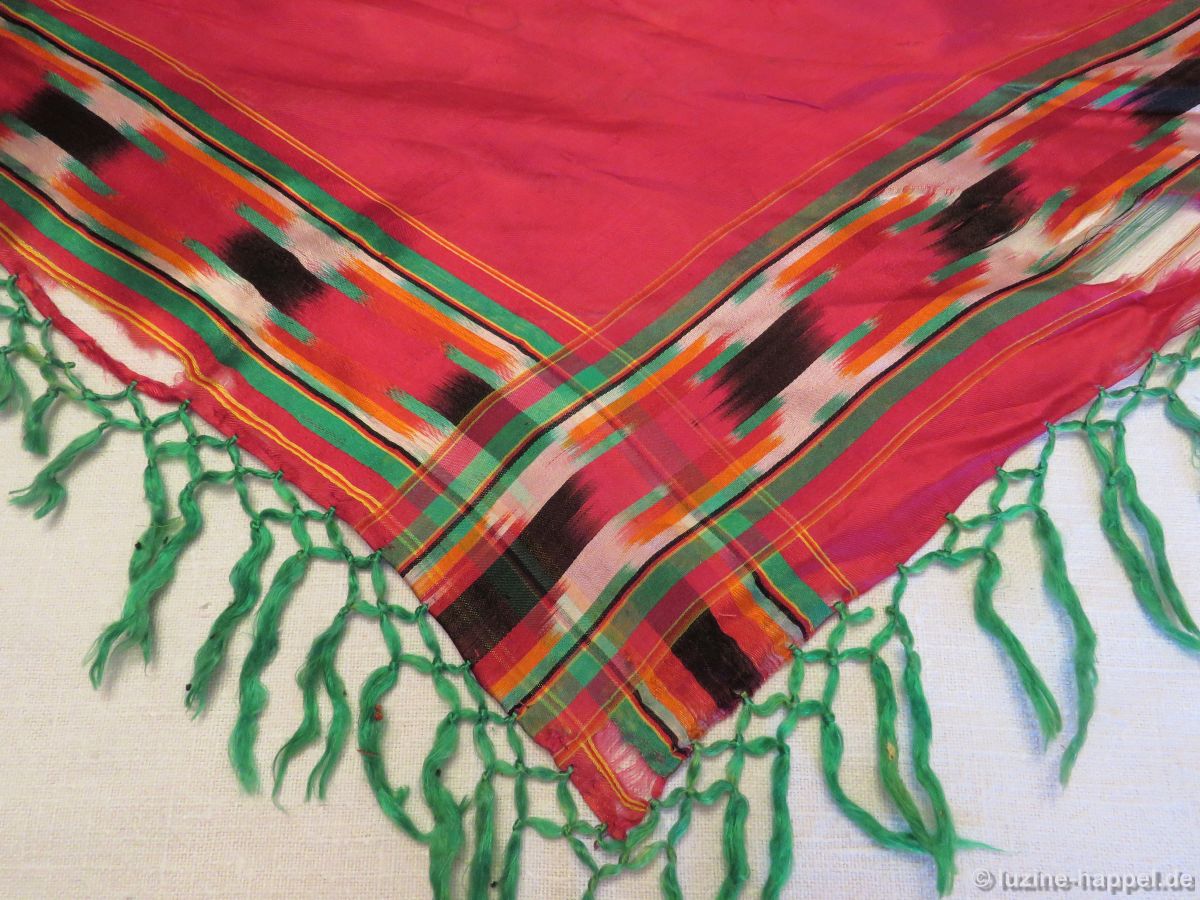

The bundled threads of the fringe were knotted at least once again,


but usually more often.


The square cloths were folded diagonally. The established triangle was laid in the back.
Depending on how the cap bands (subject of a future article) were worn – in the back or in the front – the ends were either inserted in the front at the waist between skirts and apron


or wound around the neck, crossed over in the front, and knotted underneath the triangle in the back.